Japan’s Coronavirus Response: Sometimes Less is More
By: Andrew Malec.
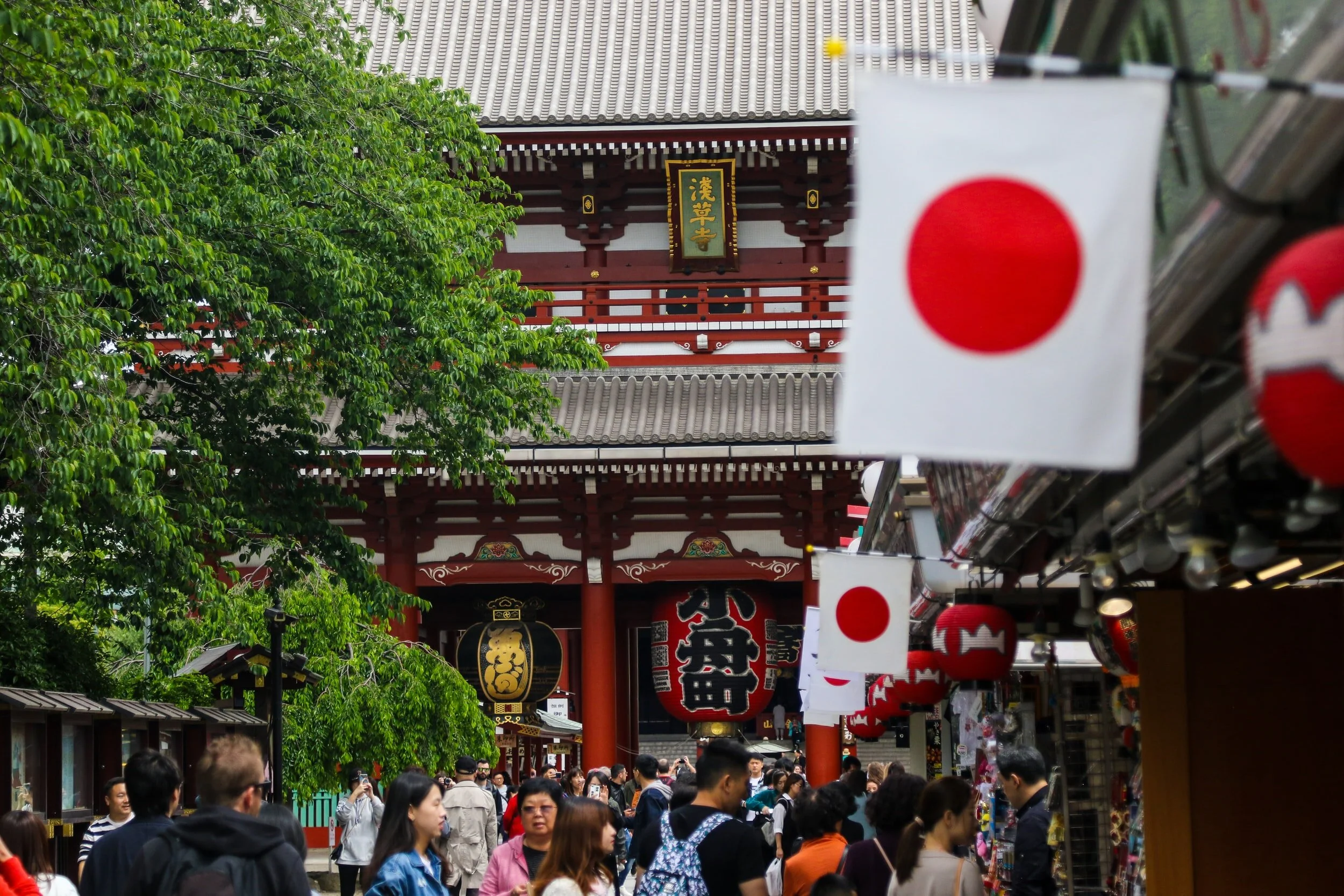
Constitutional scholars from Japan believed that constitutional amendments would need to be enacted in order for the Japanese government to mandate a stay-at-home order. However, through localized, self-isolation measures the country’s coronavirus numbers have been under control and a free COVID vaccine has been promised to its citizens.
Read More
Go Hard, Go Early: Analyzing New Zealand’s Approach to the COVID-19 Pandemic
By: Tessa Mallett.
Since the beginning of the COVID-19 pandemic, New Zealand’s elimination strategy to has been one of the best so far. This post discusses what made it so successful and its potential longevity.
Read More
What to Make of the “Safeguarding National Security” Legislation
By: Adara Manamperi.
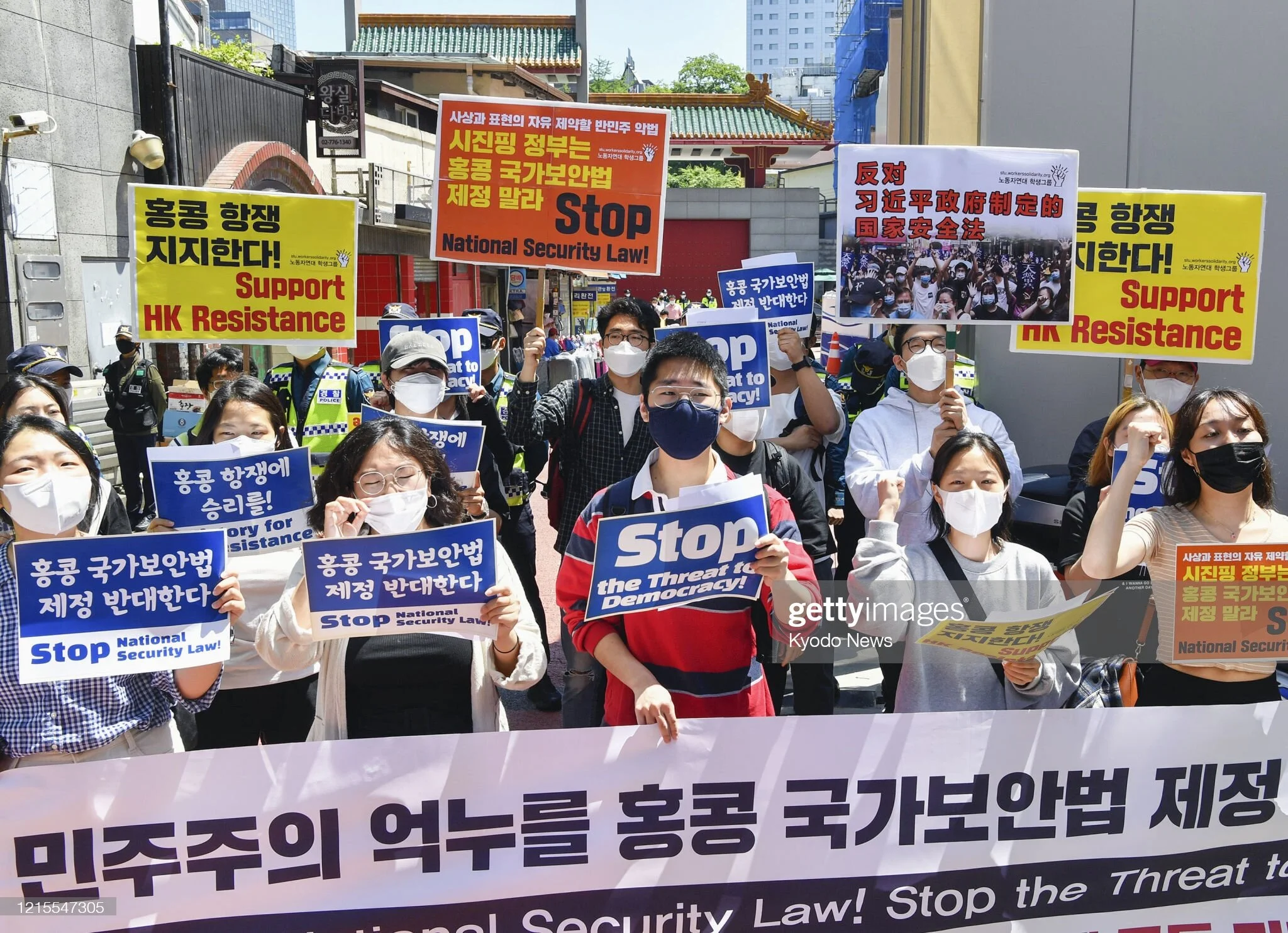
The National Security Law, passed by Beijing, is quite new and has already been met with pushback, both nationally and internationally. What does this legislation mean for Hong Kong residents, and what could its result be upon Hong Kong’s future sovereignty from China?
Read More
China’s Wildlife Markets: The Greatest Risk to Human and Animal Health
By: Margaret Marshall.
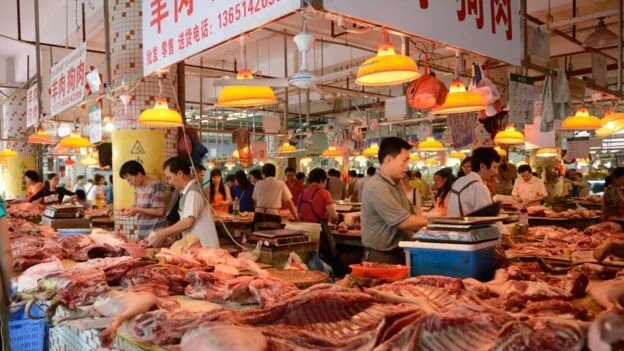
China’s wildlife markets, often fronts for illegal wildlife trade, are thought to be the source of COVID-19, which has devastated millions of individuals worldwide. This blog looks at these markets, the illegal wildlife trade, and calls for the complete shutdown of all wildlife markets for both animal and human safety.
Read More
HOW SOCIAL MEDIA AND SITES LIKE PORNHUB SUPPORT INTERNATIONAL SEX TRAFFICKING
By: Alana Ballantyne.
The rising popularity of both sites like Pornhub and explicit content on social media sites like Twitter, Facebook, and Instagram, has given rise to a new era of pornography generated by everyday users. Recently, Pornhub faced huge backlash when it was revealed that some of their amateur content was tied to sex trafficking and depicted rape, torture, and child sex abuse. With lawsuits pending in the US, the question of how the international community should combat such content has taken center stage.
Read More
A Review of Surrogate Motherhood Regulation in South Africa
By: Jasmine Shafquat.
South Africa has a strict and comprehensive statutory framework for regulating surrogacy. Understanding this country’s approach can help lawmakers develop a regulatory system that protects the rights of both commissioner parents and surrogate mothers.
Read More
Let’s Get This Irish Bread (Cake?)
By: Konrad Starostka.
The Irish Supreme Court ruled that Subway’s bread is more like cake. This is according to the Value-Added Tax Act, but the result is counterintuitive.
Read More
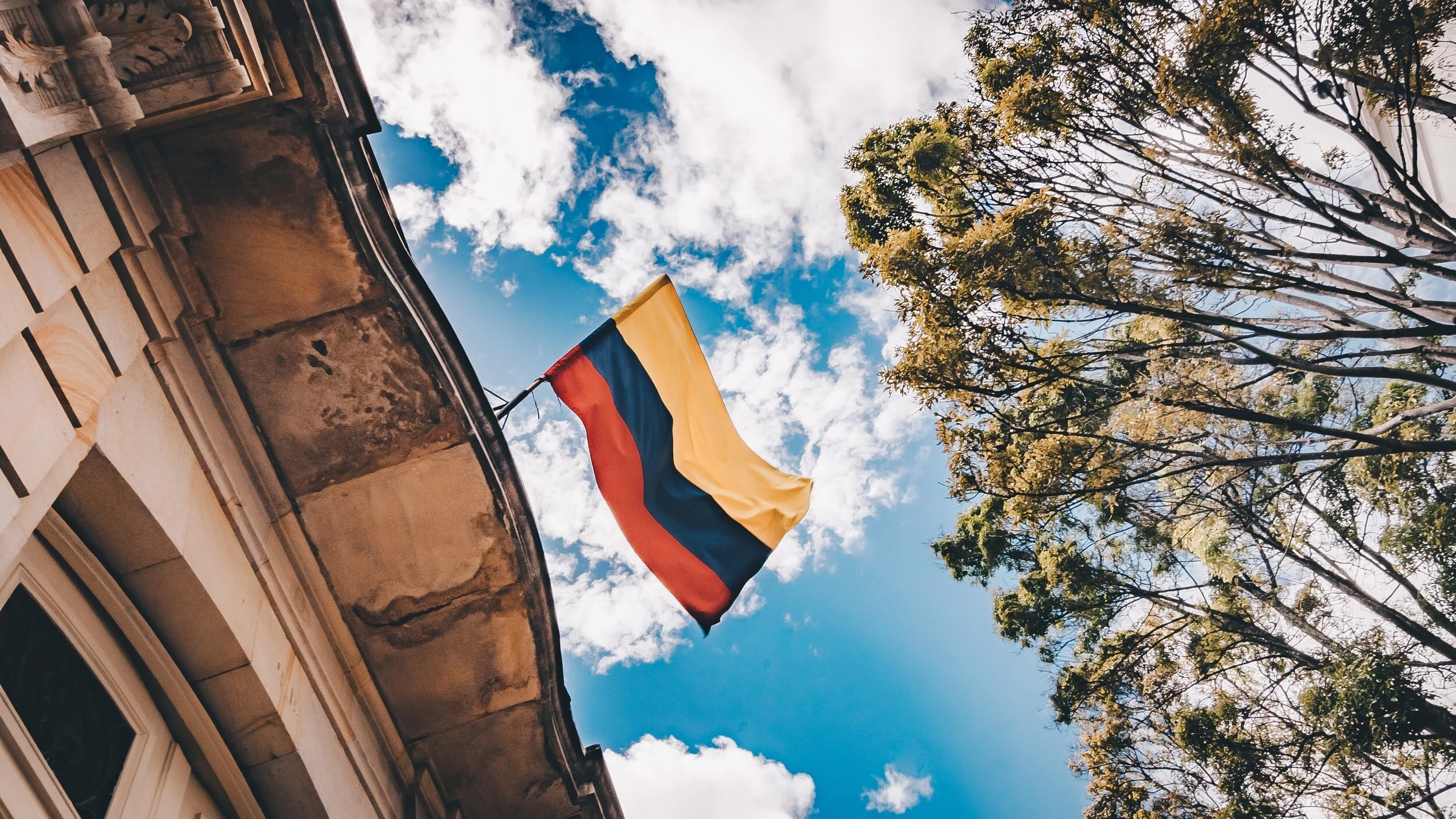
New Solutions, Same Problems: The Colombian Coca Farmer’s Plight
By: Peter Veldkamp
For many farmers in Colombia, coca production is the only means of providing for their families. Without viable alternatives and properly aligned incentives, it is unlikely that further supply-side based policy will be effective.
Read More
Equal Pay and Equal Conditions for Women’s Football
By: Alexandra Welke.
Brazil recently announced that it will pay its male and female national football players the same amount of compensation. Only a few countries have passed similar equal pay agreements. Women continue to demand equal pay in football, while countries are slow to make changes to promote equality.
Read More
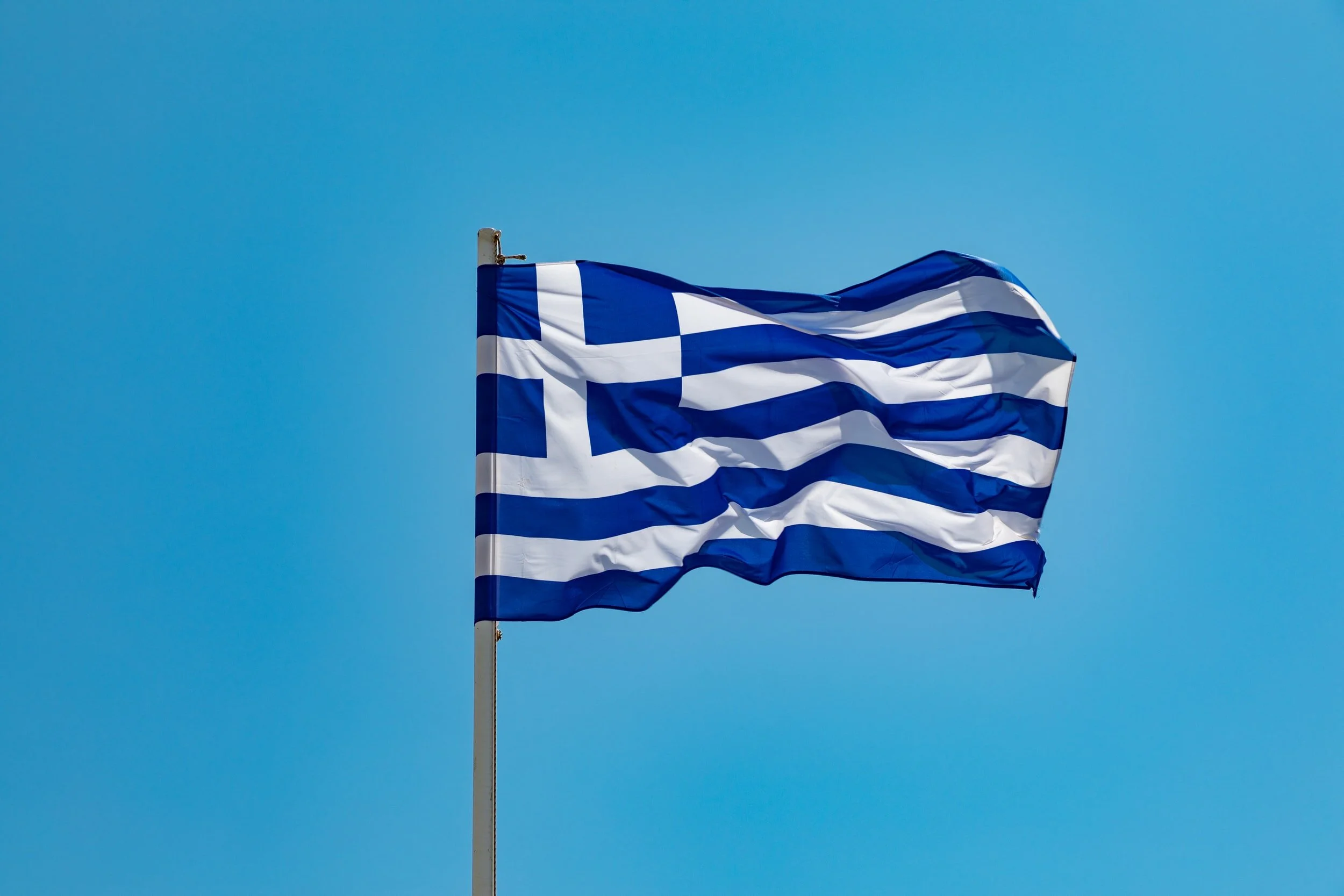
Can Greece’s Economic Problems be Solved with Tax Incentives?
By: Megan Wilson.
Greece has been struggling economically for years, and right as things were starting to improve, COVID-19 hit. Several tax proposals have been introduced in the hopes of attracting investors and raising revenue.
Read More
China’s Trump Card: Soft Power
By: Alana Ballantyne.
The internet exploded when President Trump announced his ban of the popular app TikTok earlier this month. The controversy highlighted both China’s soft power grab and the limits, or lack thereof, on the President's power to interfere with the market. The situation raised several interesting questions. What is soft power and how has China used that tool to their advantage on the international stage?
Read More
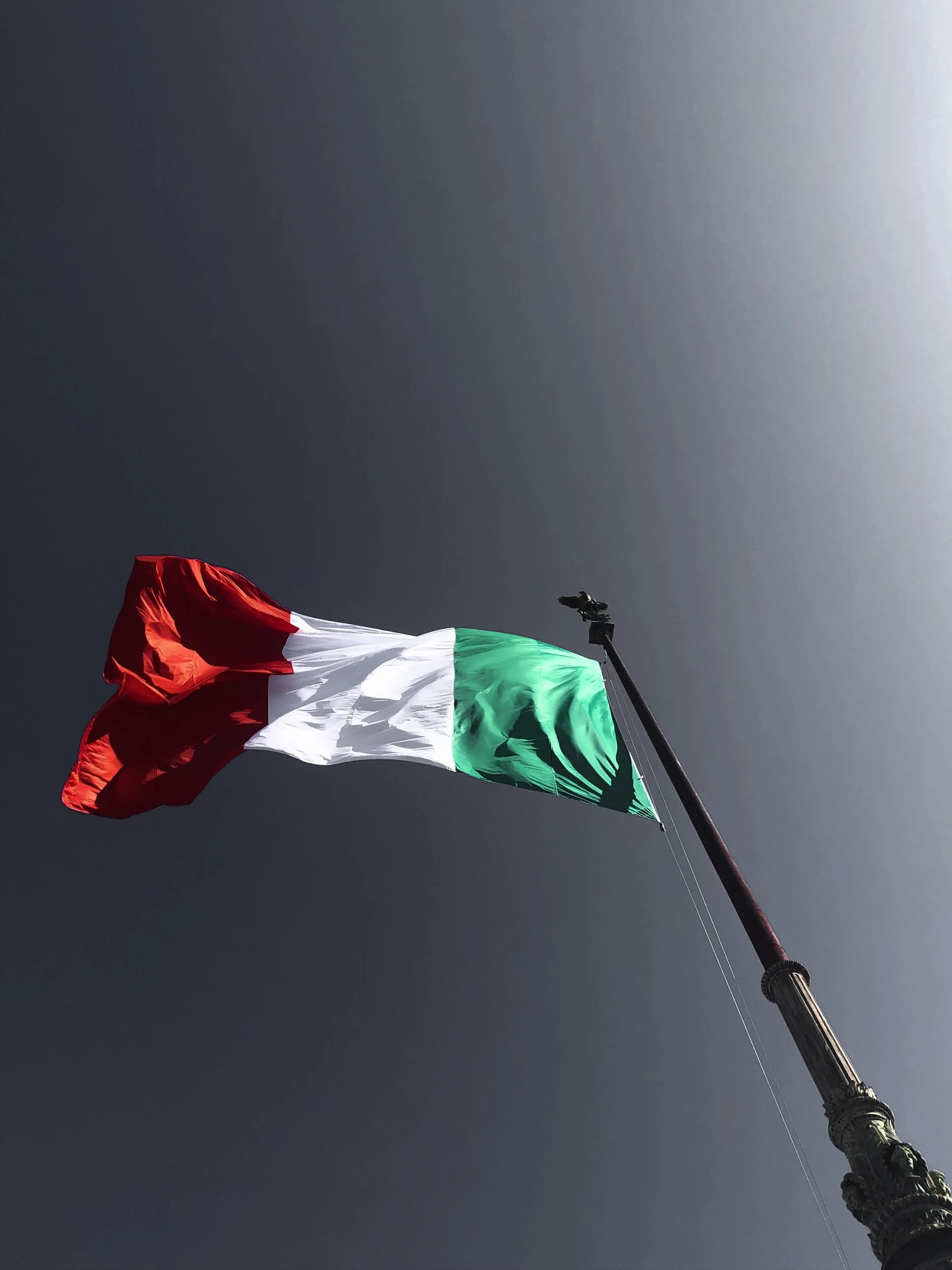
Italian Families vs. Who? The COVID-19 Lawsuit Against “Persons Unknown”
By: Emily Bengel.
A group of Italian families has filed a complaint with Italian prosecutors in Bergamo against “persons unknown” for the handling of the COVID-19 pandemic. The families say they just want someone to pay for what has happened to their loved ones. The question is whether they can be successful and what that could mean for the rest of the world.
Read More
Mexico’s New Copyright Law Provides Much-Needed IP Protections, But Faces A Possible Legal Challenge Over Free Expression
By: Mary Bradley.
After the United States, Mexico, and Canada signed the NAFTA replacement, Mexico enacted new amendments to its Federal Copyright Law and criminal code. These new “robust” protections provide for some much needed update, but are challenged for chilling citizens’ constitutionally-guaranteed right to free expression.
Read More
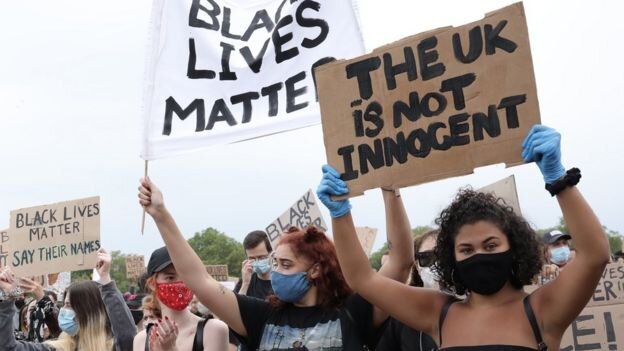
British Black Lives Matter Too
By: Gary Cooper.
The death of George Floyd galvanized the Black Lives Matter movement in the U.S., resulting in increased media attention, demonstrations, protests, riots, and a few legal changes in select states. However, the movement was not restricted to the U.S. and the effects of George Floyd’s death were just as profound in Great Britain.
Read More
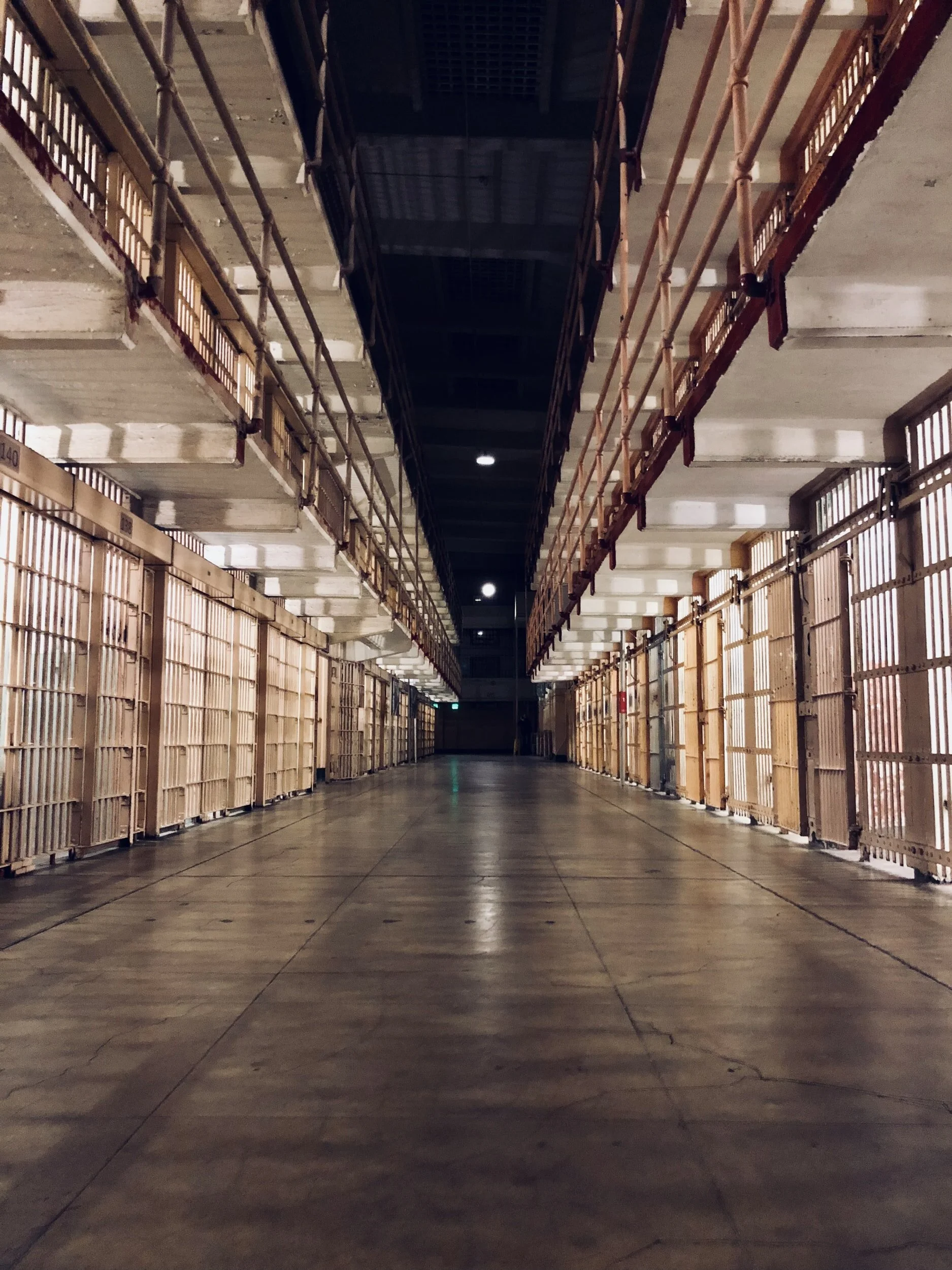
Japan: A “Hostage” Criminal Justice System?
By: Dominick Cortez.
Carlos Ghosn, a former executive officer of Nissan, Renault, and Mitsubishi, was arrested in Japan and detained for nearly 6 months with no indictment. The international community has renewed its charges that Japan has a “hostage criminal justice system.” Japan does not agree and will not be changing its criminal procedure.
Read More
All is Fair in Love and Outer Space
By: Kevin Cowan.
A potential conflict in outer space threatens the world’s use of GPS, online banking, and mobile phones among other systems. Russia’s recent launches of satellites brings back the discussion of regulating space warfare.
Read More
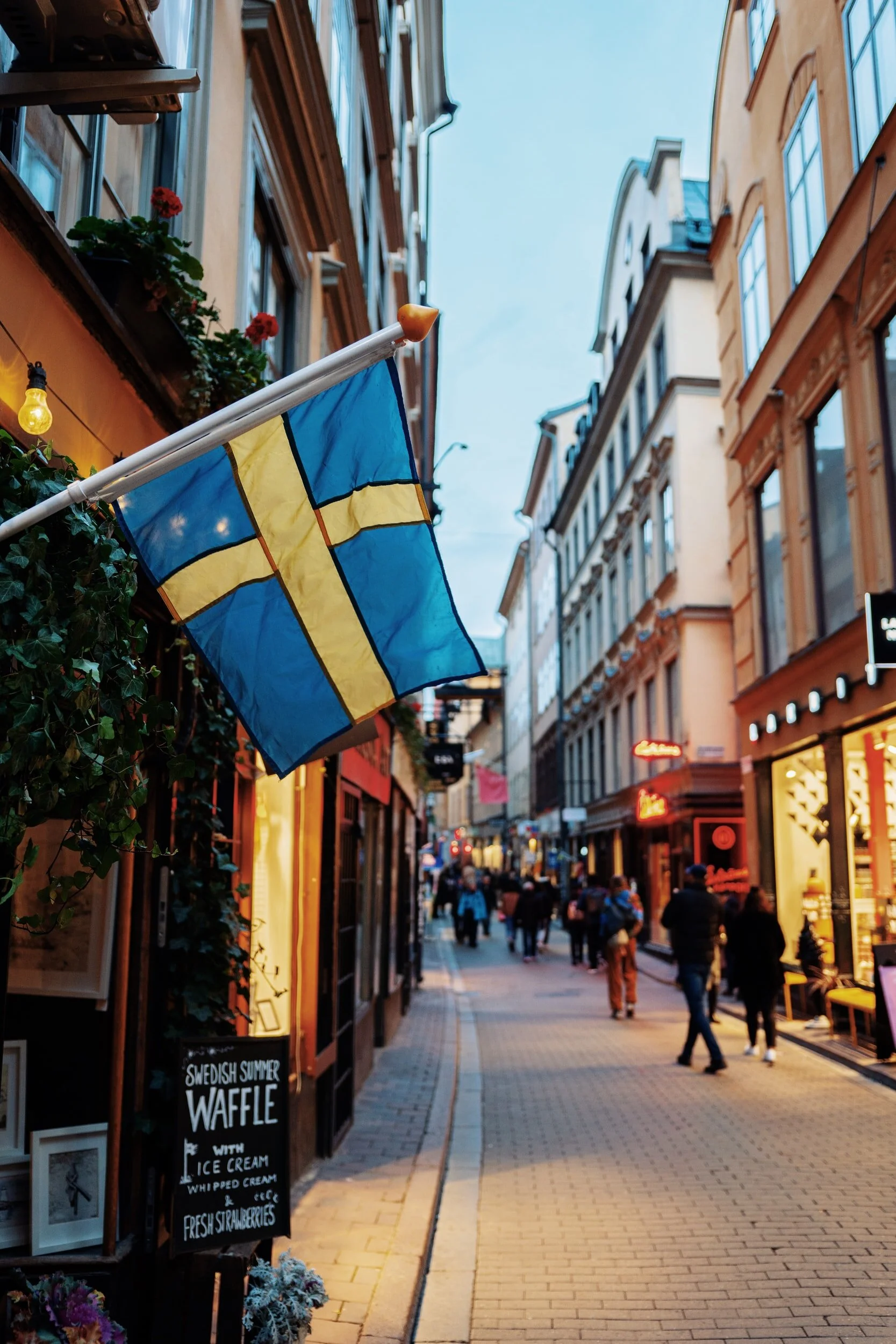
A Brief Discussion of Sweden’s Approach to the COVID-19 Pandemic
By: Joe Giacolone.
Sweden never engaged in a full lockdown in spite of the Coronavirus Pandemic, and unlike most of its European neighbors, relied on voluntary social compliance and measures meant to protect its most vulnerable populations. This article explores what Sweden’s measures were and why these measures were taken. (This article was written in August 2020)
Read More
Berlin Attempts to Put a “Lid” on Rents
By: Bradley Harrah.
Berlin, Germany has adopted a rent stabilization policy to stop out of control rental prices, but will this policy cause more harm than good?
Read More
Government Land Grabs in Ecuador: Something Doesn’t Add Up
By: Douglas Johnson.
The ability of the government to expropriate private lands to further a public interest is generally granted via the constitution in most countries. In the United States, the government must fairly compensate landowners for land that is taken, but is this the same for Ecuador? The answer is yes…in theory. However, the Ecuadorian government’s conduct in its efforts to bring the Yachay “city of knowledge” to fruition suggests that landowners are not paid fairly, if paid at all, and projects are ill-conceived and poorly executed.
Read More
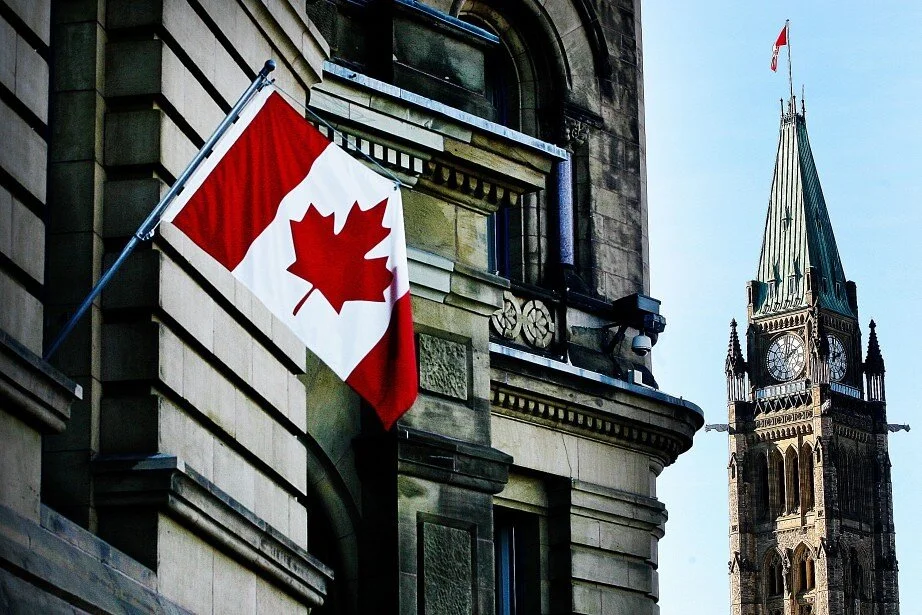
Canada Enacts Legislation Requiring Consideration of Indigenous Children’s Culture When Making Care Placements
By: Simonne Kapadia.
Canada has a long history of separating Indigenous children in government care programs from their homes and culture. Legislation enacted in January 2020 attempts to correct this erasure of Indigenous culture by prioritizing Indigenous children’s cultural and familial backgrounds when making care decisions and placements.
Read More