On Economic Power: Intellectual Property in China
By Gary Cooper.
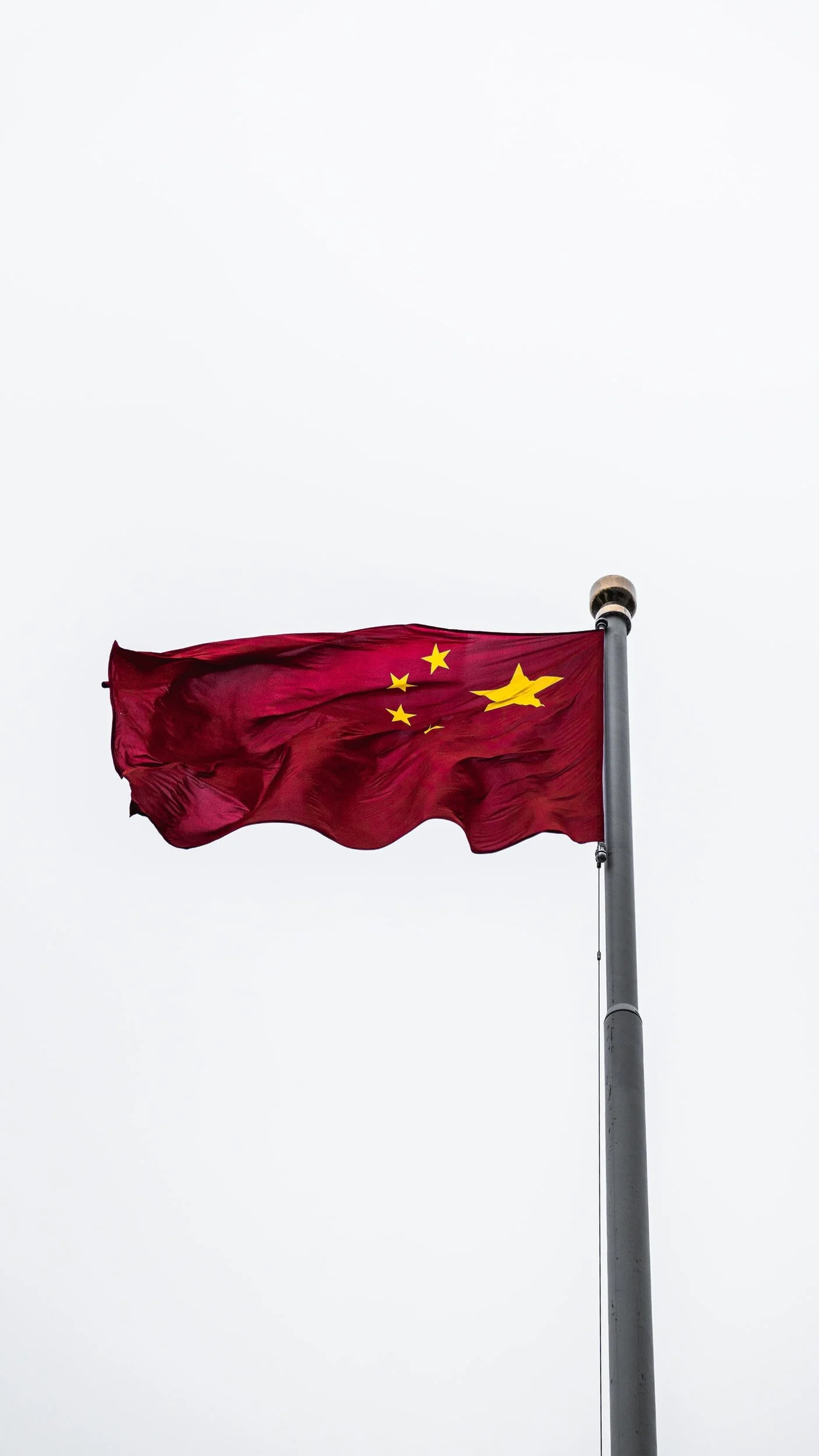
China and the US are two of the worlds predominant economic powers and are two of the foremost markets for intellectual property. China’s IP laws are relatively new, but they protect patents, trademarks, copyrights, and trade secrets in similar ways to the US Laws. A basic understanding of the Chinese IP regime is important for any IP attorney, and an understanding of the Chinese Laws on IP is important for adequate client counseling.
Read More
The Police vs. Comedy: Freedom of Speech in India Through the Lens of Stand-Up Comedy
By: Emily Bengel.
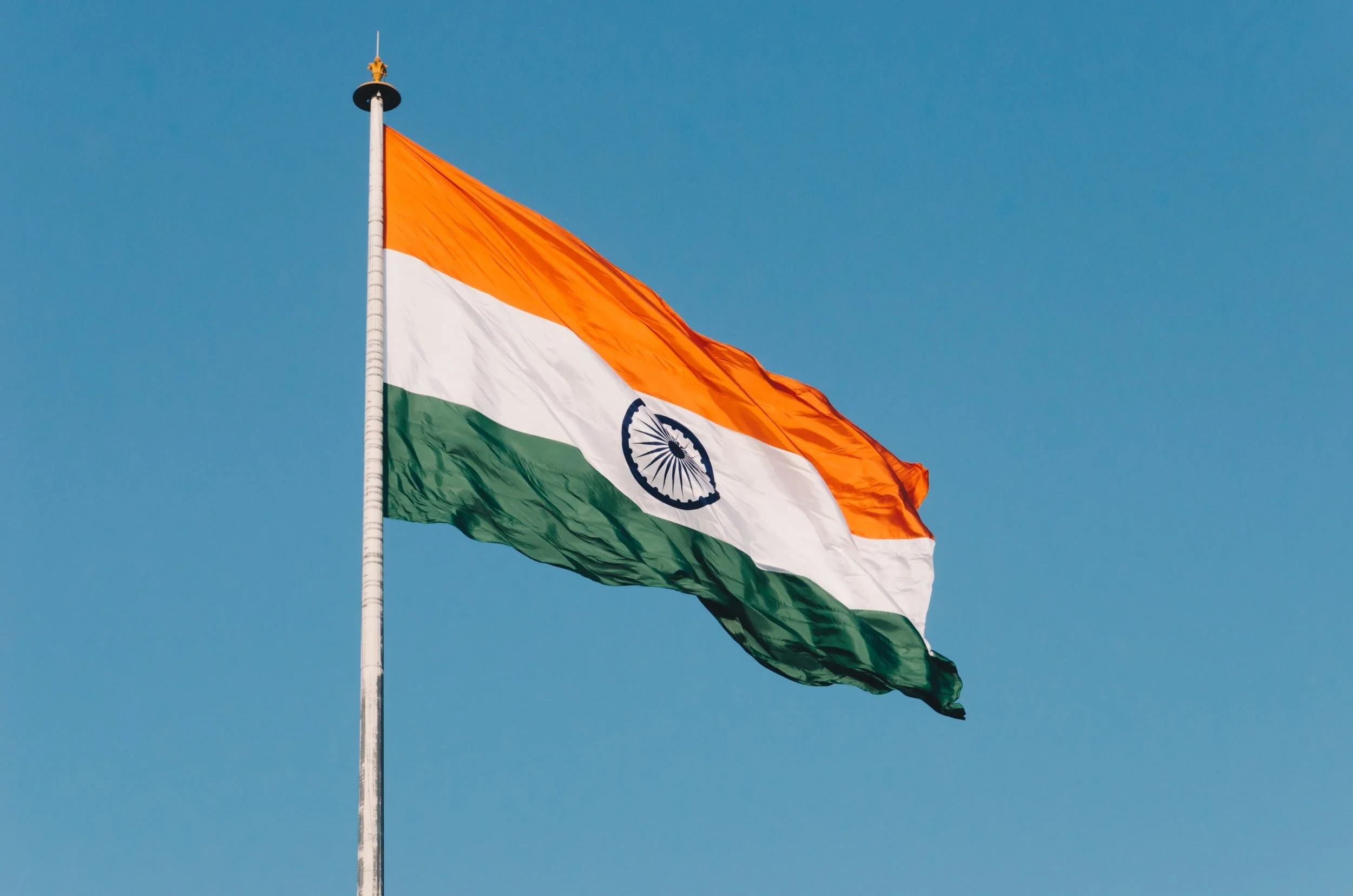
Comedian Munuwar Faruqui was about to begin his stand-up comedy set when he was arrested for making a joke that made fun of the Hindu religion. The only wrinkle: that he had not even begun to make the joke. The Constitution of India grants freedom of speech, but just how broad is this freedom and is the government free to regulate as it sees fit?
Read More
Remote learning brings online privacy rights of students to the forefront
By: Mary Bradley.
Students and educators face myriad challenges with remote learning. One challenge is making sure students are protected when online, and the United Kingdom is taking steps to ensure this is happening.
Read More
An American In Paris
By: Clifford (Gary) Cooper II.
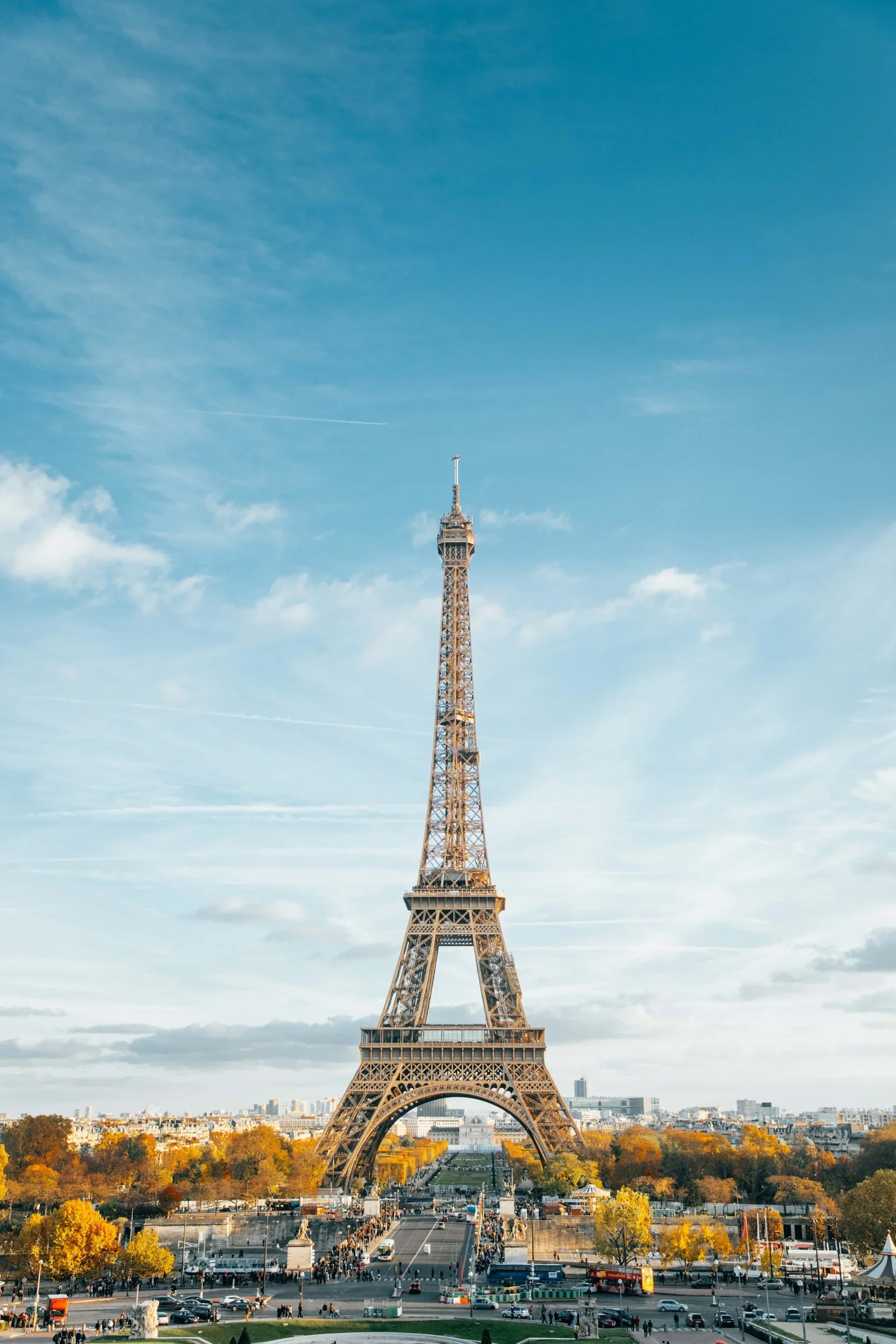
The easiest way to be an American with JD and work in France is to plan ahead and obtain a joint JD and Master’s degree that qualifies one to work in either country. If one has not done this, working in France is much more difficult due to numerous hurdles such as the difference in legal system, language barriers, and the inherent bias by the French for all things French. However, it is possible to overcome these hurdles and to become ‘An American in Paris.’
Read More
Democracy Around the Globe: International Election Standards
By: Dominick Cortez.
Free and fair elections are the bedrock of any democracy, and the United Nations realized this in 1948 when it enshrined the right to vote and universal suffrage in its Universal Declaration of Human Rights. Now, the idyllic standards produced by the United Nations in this document and many others are instituted throughout the world by the Organization for Security and Cooperation in Europe (OSCE) and its Office of Democratic Institutions and Human Rights (ODIHR).
Read More
The End of ‘Ndragheta? Italy in the Process of Largest Mafia Trial in Decades
By: Joe Giacalone.
Italy is currently in the process of prosecuting a major case against organized crime on a scale that has not been seen for decades.
Read More
Is Subway’s Bread Actually Bread?
By: Bradley Harrah.
This article explores the Ireland Supreme Court decision as to how Subway’s franchisees must characterize bread under its Value Added Tax system.
Read More
Do Government Decrees Prevent the Destruction of their Cultural Heritage Sites? Not in the Case of Croatia’s Matulja House
By: Douglas M. Johnson.
Most countries recognize and protect cultural heritage sites, and while Croatia does too, it failed to protect an iconic piece of architecture. Renowned Croatian Architects Ante and Vlasta Vulin’s Matulja House was demolished despite a decree granting it government-protected cultural status. Its demolition shows that a government’s administrative incompetence can allow for the destruction of cultural landmarks and no-one can be held accountable.
Read More
An Overview of Australia’s Freedom of Speech Protections
By: Simmone Kapadia.
Australia’s freedom of speech protections are not enumerated in its constitution. Instead, Australia’s freedom of speech protections are “implied” protections rooted in case law and international conventions.
Read More
Rebuke the Nuke: New UN Treaty Banning Nuclear Weapons Becomes Law
By: Andrew Malec.
The U.N. has continually denounced the use of nuclear weapons since its creation. Now, more than 75 years after the use of nuclear weapons at Hiroshima and Nagasaki, international law bans the use of nuclear weapons.
Read More
The Ongoing Hate Speech and Freedom of Expression Debate in Norway
By: Tessa Mallett.
In November 2020, Norway expanded its hate speech law to protect transgender and bisexual individuals. While many view this as the right step forward, others believe this will further restrict freedom of expression in Norway.
Read More
Compulsory Licensing: How Developing Countries can access the COVID Vaccine
By: Adara Manamperi.
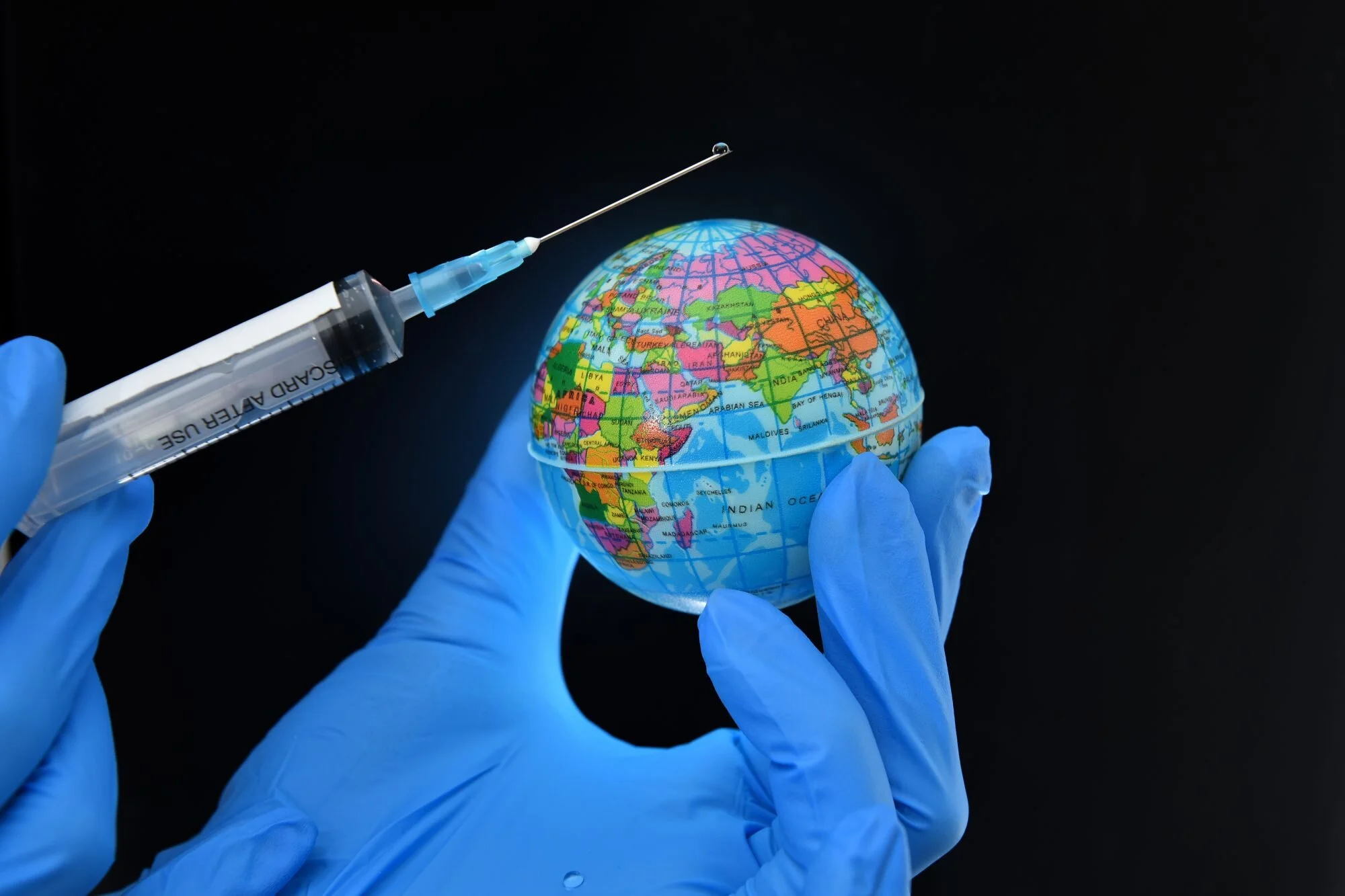
As the WTO delays the creation of a proposal which allows intellectual property rights to be waived with regards to the COVID-19 drugs and vaccines, thus allowing developing countries to use the drugs and vaccines, the question still remains what these developing countries can do if the proposal is denied. Under existing WTO agreements and declarations, there are some possible ways that these developing countries can perhaps have access to these drugs and vaccines.
Read More
Electronic Waste in Nigeria Sheds Light on the Ongoing Problems of Environmental Racism
By: Margaret Marshall.
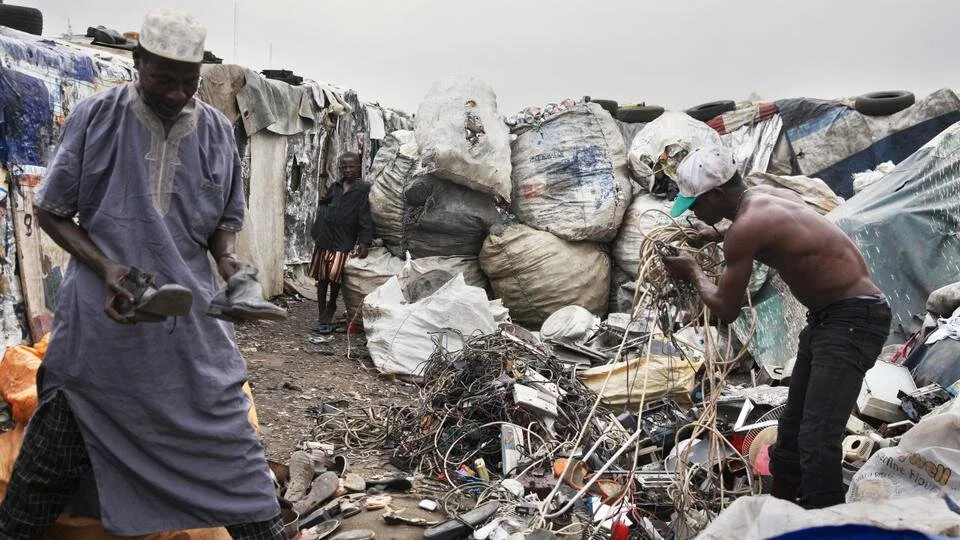
What happens to your electronics when you throw them away? This blog post delves into electronic waste “e-waste” and how Nigeria has become a dumping ground for Western nations, like the United States, to throw away unwanted electronics. E-waste has not only polluted Nigeria’s environment and people, but it has also shed light on the issues of environmental racism.
Read More
Child Marriage is Still a Persistent Problem in Canada
By: Jasmine Shafquat.
Canada has avidly advocated for the end of child marriage abroad. Yet, interestingly enough, child marriage is still a persistent problem within the country’s own borders. This finding has shown that additional domestic changes are needed in order for Canada to truly advance the global effort to end child marriage.
Read More
Alexei Navalny and People vs. President Putin’s Russian Federation: Russian Rights Violations of Opposition
By: Konrad Starostka.
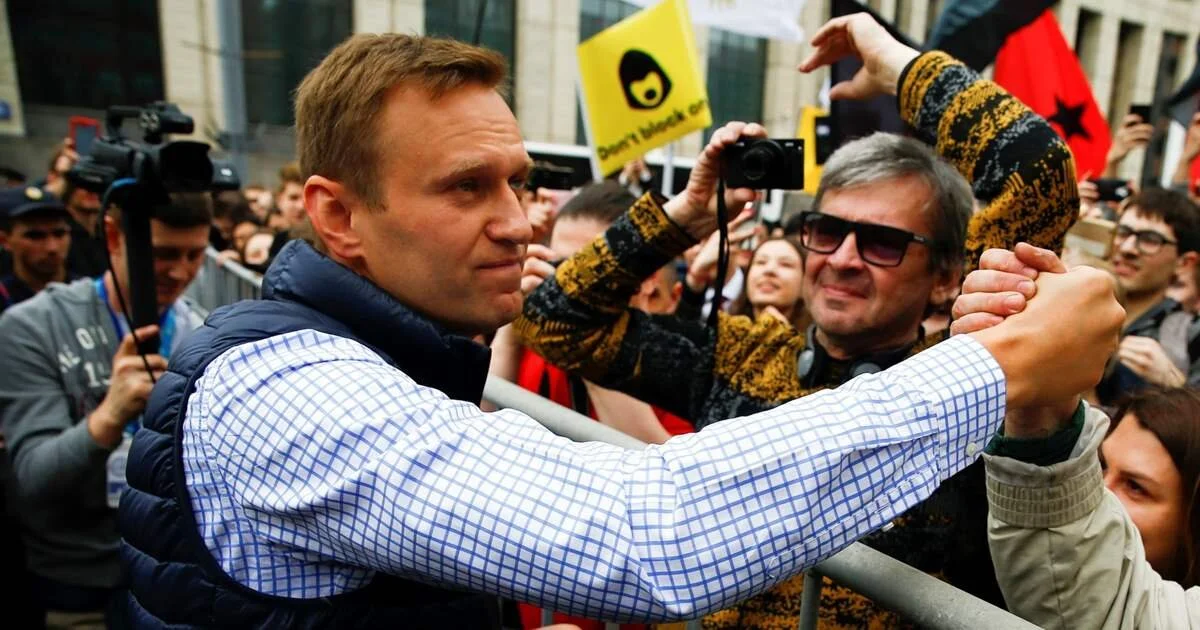
Navalny’s assassination attempt has fueled protests across Russia. However, Russia continues to defy international treaties to suppress its opposition.
Read More
The Eradication of Greenland’s Young Men
By: Peter Veldkamp.
Suicide rates in Greenland, particularly among young men, are largely unknown, despite being the highest in the world. This article explores some of the leading theories as to why such a phenomenon continues to exist.
Read More
Abolishing the Death Penalty for Minors in Saudi Arabia
By: Alexandra Welke.
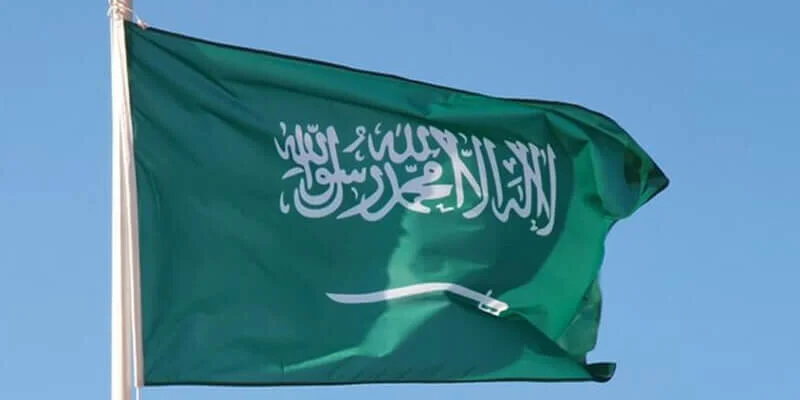
Saudi Arabia continues to use the death penalty as a punishment for certain crimes. Recently, Saudi Arabia announced a new law that will prohibit the use of the death penalty on minor offenders. However, it remains uncertain whether the new law will be passed and when the minors on death row will be resentenced.
Read More
Taxes and the Global Digital Economy
By: Megan Wilson.
Online spending was already increasing, but global shutdowns and stay-at-home orders accelerated that transition. In a world that has typically taxed based on physical presence, governments are experimenting with new ways to ensure they receive the revenue necessary to function.
Read More
Youngest Alcoholics in the World? How Germany’s Regulatory Scheme May Contribute to a Harmful Alcohol Culture
By: Emily Bengel.
In Germany, youths are allowed to purchase and consume beer and wine in public without supervision at age 16. The hands-off nature of Germany’s alcohol regulatory scheme would seem to be an effort to reduce the negative effects of alcohol on society. The problem is that it seems like the system is not working, as Germany’s public is no less alcoholic than the rest of the world.
Read More
South African Government is Addressing Gender-Based Violence, but Numbers Continue to Increase
By: Mary Bradley.
South Africa has one of the highest rates of gender-based violence in the world and President Cyril Ramaphosa has taken steps to address the issue. However, murders following COVID-19 lockdowns underscore the country’s immediate need to implement laws and protections for women.
Read More