The Destruction of the Amazon Rainforest: The Need to Recognize Ecocide as an International Crime Under the Rome Statute
By Margaret Marshall.
Could the intentional and systematic destruction of the environment one day constitute an internationally recognized criminal act? This blog post delves into the recent request of Brazilian Indigenous leaders to the International Criminal Court to investigate Brazilian President Jair Bolsonaro for crimes against humanity and ecocide and what this lawsuit could mean for environmental protection.
Read More
Australia and the Media Bargaining Code
By Adara Manamperi.
The Australian parliament has passed a new law which requires big tech firms, such as Google and Facebook, to negotiate and pay Australian news outlets for their content, and if they cannot come to a fair price, face binding arbitration. With the passing of the law, both Facebook and Google expressed complaints, with Facebook acting in protest against it. Now that the waters have settled, what does the passing of this code really mean for Australia, and does this open an avenue for more countries to create similar laws?
Read More
#NoFilter: The UK’s New Mandate on Social Media Influencer Endorsements
By Tessa Mallett.
Earlier this year, the UK’s advertisement regulation agency, the Advertising Standards Authority, held that influencers cannot use filters on promotional social media posts if they would mislead consumers. This blog post examines the ruling and the issues the agency faces in regulating influencer endorsements.
Read More
Sweden’s Authority for Privacy Protection Levies Fine Against Swedish Police Authority for Improper Use of Facial Recognition Software
By Simonne Kapadia.
The Swedish Authority for Privacy Protection levied a hefty fine against the Swedish Police Authority for its improper use of facial recognition software. The Privacy Authority ruled that the use of the facial recognition software violated Sweden’s Criminal Data Act.
Read More
History Completes Itself: Will Germany’s New Law Finally Fix Citizenship Problems for Victims of Nazi Germany?
By Andrew Malec.
The new law would “create a new legal framework for the restitution of citizenship” and includes “entitlements to naturalization for persons who lost their German citizenship due to [Nazi persecution] who are not already entitled to restoration” under the current law. Overall, these new amendments would be said to close “loopholes” that previously existed that allowed for so many applicants, who were denied citizenship due to Nazi persecution, to be rejected altogether.
Read More
Uber’s Return in Barcelona, Will it Last?
By Alexandra Welke.
Uber’s operation has been heavily restricted in Barcelona in recent years. After its 2-year absence in the city, Uber services have finally returned with different service options and features that abide by the current regulations. Even with the newly regulated system, taxicab drivers are generally opposed to Uber’s return.
Read More
Guns Are Evolving: Singapore Legislates for the Future of Weapons
By Douglas M. Johnson.
3D-printed guns are here. There have been incidents involving such guns in many countries including the US and Singapore. Singapore recently updated its weapons laws, opting to add an entirely new section on 3D-printed guns and their blueprints with the hope of heading off new source of potential violence.
Read More
All Talk and No Action: The United Nations Declares a Ban Nuclear Weapons
By Bradley Harrah.
A portion of the United Nations has decided to ban nuclear weapons. However, the most notable nations are not signatories to the treaty. This article explores the effect, if any, this United Nations stance has on the nuclear arms race.
Read More
The Biden Administration Recognized Turkey’s Massacre of Armenians Beginning in 1915 as a Genocide. How Will Turkey Respond?
By Joe Giacalone.
President Biden’s statement that Turkey committed genocide against Armenians may impact Turkish-US relations.
Read More
Stuck: The Insurance Impasse Over the Suez Canal Blockage
By Kevin Cowan.
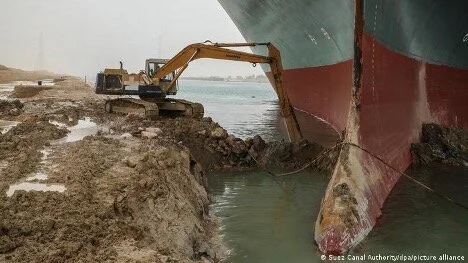
Nearly 20,000 ships pass through the Suez Canal every year carrying every different type of cargo. But when a 220,000-ton quarter-mile long ship runs aground blocking the canal for six days, who should take the blame for the damages and shipping delays?
Read More
New Zealand: Swift Action on Gun Control Leads to Mixed Results
By Dominick Cortez.
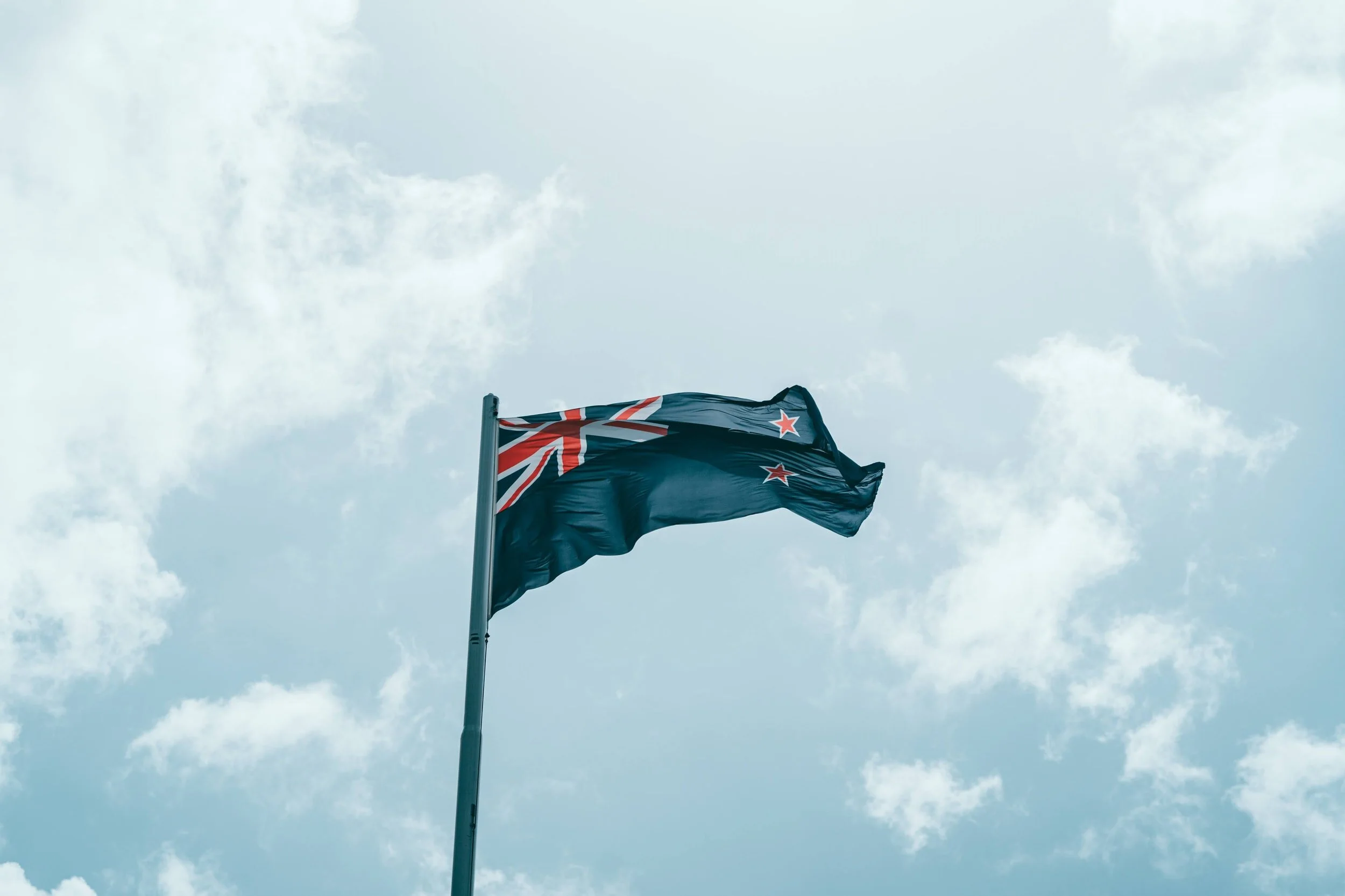
On March 15, 2019, fifty-one people were killed, and forty-nine people were injured in the worst mass shooting in New Zealand’s history. Twenty-six days later, all military style semi-automatics were banned in a near unanimous vote by the national assembly. The effect of this stricter gun control measure is mixed considering that gun crimes and deaths are on the rise heavily in New Zealand although they are still much lower than the United States.
Read More
Alibaba and Anti-Competition in China: Was the Record-Breaking Fine Inevitable?
By Emily Bengel.
Alibaba, a tech giant begun in China, may have employed anti-competitive tactics from its beginning, begging the question: was it bound to be fined by the Chinese government eventually?
Read More
“Genocide Gems”: How the Gemstone Industry is a Backdrop to Myanmar’s Unrest
By Mary Bradley.
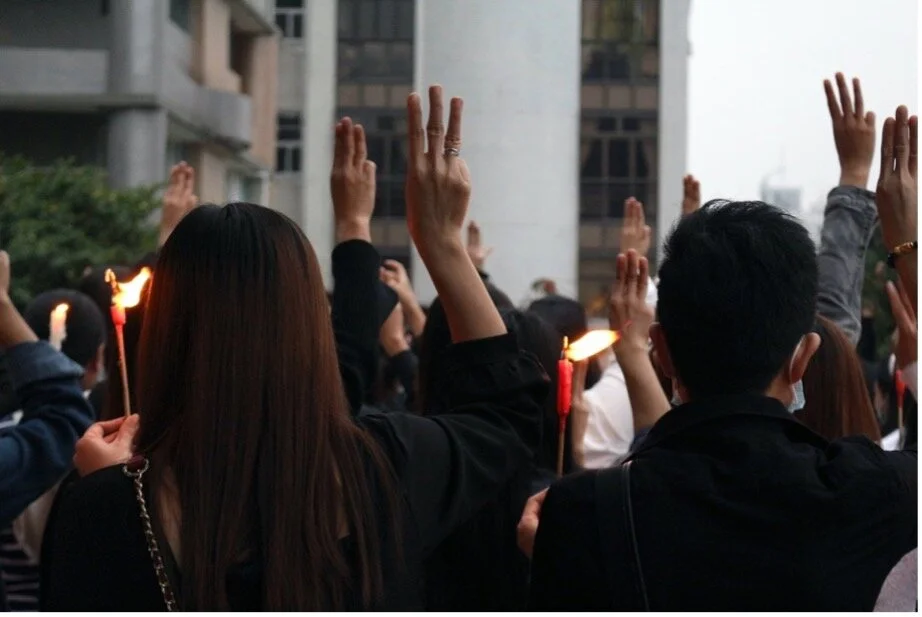
After an overwhelming election victory from the Myanmar’s National League for Democracy in 2020, the country’s military regime claimed election fraud, declared a state of emergency, and subsumed power once again. In an effort to undermine the military, Myanmar’s citizens are placing their lives on the line to protest. On the international level, countries including the United States have imposed sanctions, including upon Myanmar’s lucrative and military-controlled gemstone industry. But can sanctions against these prized gems actually help undermine the regime and stop the coup?
Read More
On Economic Power: Intellectual Property in China
By Gary Cooper.
China and the US are two of the worlds predominant economic powers and are two of the foremost markets for intellectual property. China’s IP laws are relatively new, but they protect patents, trademarks, copyrights, and trade secrets in similar ways to the US Laws. A basic understanding of the Chinese IP regime is important for any IP attorney, and an understanding of the Chinese Laws on IP is important for adequate client counseling.
Read More
The Police vs. Comedy: Freedom of Speech in India Through the Lens of Stand-Up Comedy
By: Emily Bengel.
Comedian Munuwar Faruqui was about to begin his stand-up comedy set when he was arrested for making a joke that made fun of the Hindu religion. The only wrinkle: that he had not even begun to make the joke. The Constitution of India grants freedom of speech, but just how broad is this freedom and is the government free to regulate as it sees fit?
Read More
Remote learning brings online privacy rights of students to the forefront
By: Mary Bradley.
Students and educators face myriad challenges with remote learning. One challenge is making sure students are protected when online, and the United Kingdom is taking steps to ensure this is happening.
Read More
An American In Paris
By: Clifford (Gary) Cooper II.
The easiest way to be an American with JD and work in France is to plan ahead and obtain a joint JD and Master’s degree that qualifies one to work in either country. If one has not done this, working in France is much more difficult due to numerous hurdles such as the difference in legal system, language barriers, and the inherent bias by the French for all things French. However, it is possible to overcome these hurdles and to become ‘An American in Paris.’
Read More
Democracy Around the Globe: International Election Standards
By: Dominick Cortez.
Free and fair elections are the bedrock of any democracy, and the United Nations realized this in 1948 when it enshrined the right to vote and universal suffrage in its Universal Declaration of Human Rights. Now, the idyllic standards produced by the United Nations in this document and many others are instituted throughout the world by the Organization for Security and Cooperation in Europe (OSCE) and its Office of Democratic Institutions and Human Rights (ODIHR).
Read More
The End of ‘Ndragheta? Italy in the Process of Largest Mafia Trial in Decades
By: Joe Giacalone.
Italy is currently in the process of prosecuting a major case against organized crime on a scale that has not been seen for decades.
Read More
Is Subway’s Bread Actually Bread?
By: Bradley Harrah.
This article explores the Ireland Supreme Court decision as to how Subway’s franchisees must characterize bread under its Value Added Tax system.
Read More