How Iceland’s Parental Leave Act Has Allowed Iceland to Become the Most Gender Equal Country in the World
By Haley Tenelshof.
Iceland’s Parental Leave Act has re-distributed childcare responsibilities by allowing both maternity and paternity leave. This, in turn, has allowed women to stay in the labor market and pursue career opportunities rather than leave the labor market or be fired for taking care of their children.
Read More
Venezuelan Humanitarian Crisis: A Light at the End of the Tunnel
By Camille Loftin.
The socio-political and economic crisis in Venezuela has worsened, especially as the COVID-19 pandemic swept through a nation that already lacked adequate access to basic necessities. Venezuela’s need for foreign aid has been neglected for years as political tensions continued to rise. Fortunately, the first step towards providing humanitarian aid to Venezuelans has been made as the United Nations and Venezuela strike a deal that does not require foreign assistance to be tied to a political party.
Read More
Tulip Tower: Dutch Labor Unions’ Heightened Place Within Then Netherlands
By Mason VanGorp.
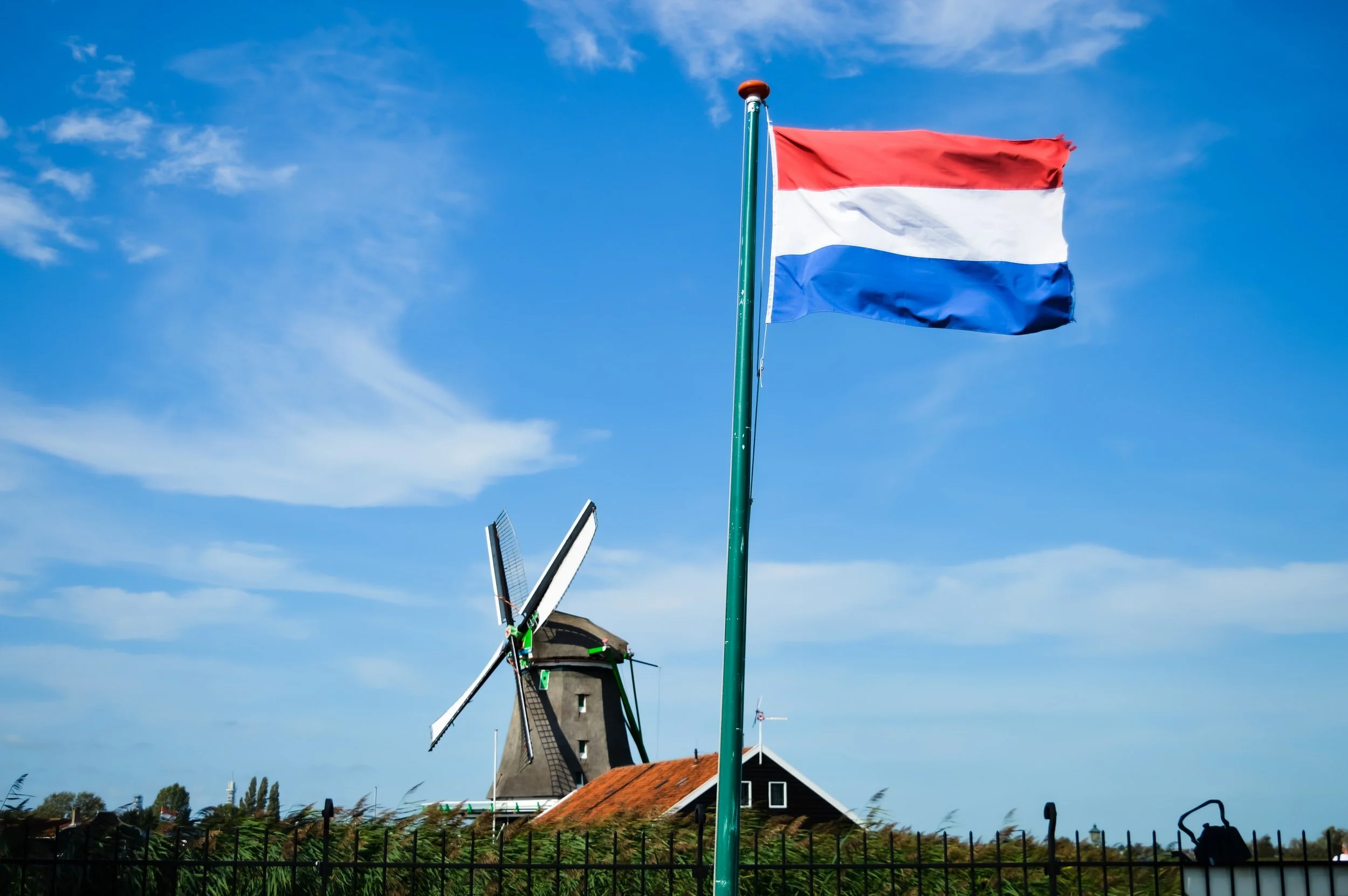
This post analyzes the positives and potential negatives of Dutch labor unions’ intriguing ability to effect economic legislation within the Netherlands’ government as a member of the Social-Economic Council.
Read More
The Intersection of Law and the Cryptocurrency Market: How China’s Increased Ban on Bitcoin Effects the Global Digital Currency Market
By Mitchell Purdy.
This post provides an explanation of Bitcoin, its history with the People’s Republic of China, and considers the significance of the recent Chinese bans on Bitcoin. Ultimately, the intention of this post is to encourage debate on the salient question of whether decentralized digital currencies have a valuable and legitimate place in the global market.
Read More
Internet Privacy for Children: The UK’s Age Appropriate Design Code
By David Rosado.
In 2020, the UK’s Age Appropriate Design Code went into force. Now that the twelve month transition period is over, companies must come into compliance or risk a fine.
Read More
The Taliban Takeover in Afghanistan: A Use Case for Blockchain Technology as a Vehicle for Asset Security Amidst Civil Unrest
By Alan Jurcak.
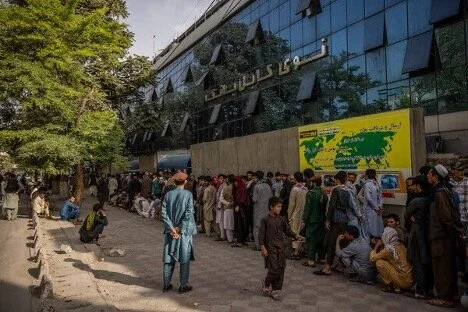
With the Taliban's takeover of Afghanistan solidified, many citizens have found themselves unable to access or transfer their savings through traditional financial institutions. Some are even forced to abandon their land and property to escape the new regime. Could cryptocurrencies and blockchain technology provide the asset security that is desperately needed during instances of political unrest?
Read More
Turkey versus Google: The Next Wave of Antitrust Regulations
By Sara Imam.
The Turkish Competition Authority recently fined Google $36.6 Million for the company’s anti-competition practices. This blog addresses the growing regulations that aim to offer consumers organic search results, along with mitigate Google’s monopolistic practices.
Read More
Canada Reopens its Borders to Tourists After Over a Year or Restrictions. How Will it Continue to Regulate Short-Term Rentals?
By Lindsey Gergel.
In the last decade or so, short-term rentals have taken the world by storm, allowing people all over the world to rent out their properties to vacationers and tourists. The increase in demand for short-term rentals is not without controversy, however, and regulation differs across Canada.
Read More
How Poland’s Conservative Government Stacked the Highest Court to Create Near Total Ban on Abortion Against the Will of the People
By Jordan Chrispell.
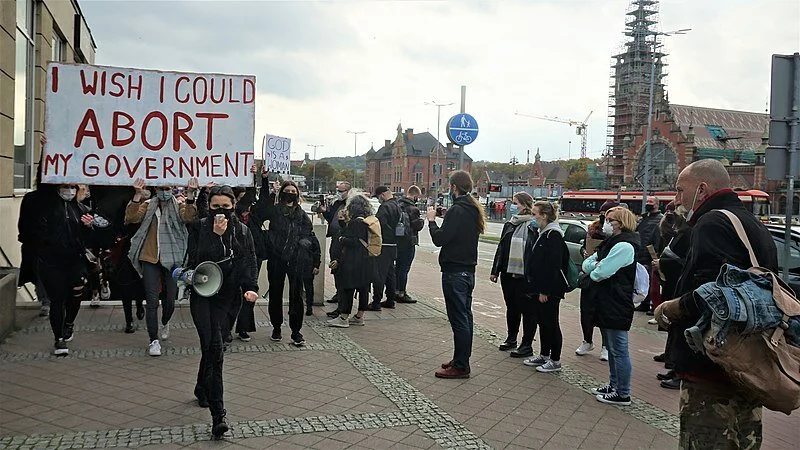
The conservative government in Poland stacked the country’s highest court to pass near total abortion ban. Activists are working hard to provide abortion access to people while protesting the law.
Read More
The Impending Return of Guatemala’s “Amnesty Law”
By Nichelle Christopherson.
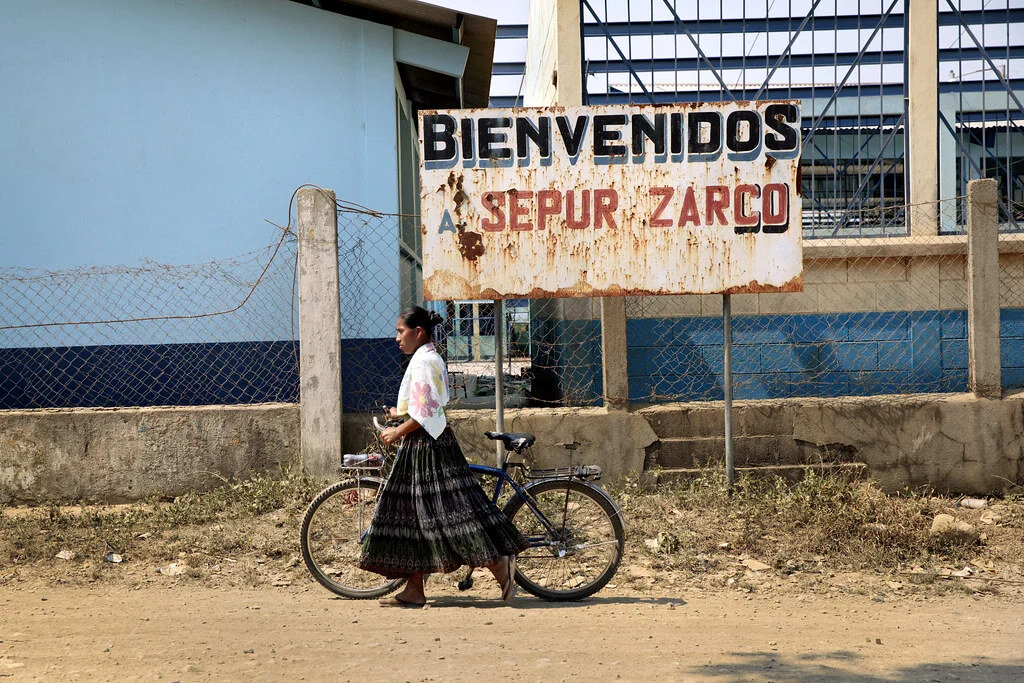
In February 2021, Guatemala’s Constitutional Court issued an injunction striking down Bill 5377, which sought to provide amnesty to perpetrators of war crimes and crimes against humanity committed during the country’s civil war from 1960 through 1996. Despite the Court’s ruling, however, on June 7, 2021, Guatemala’s far-right Valor political party proposed another substantially similar law, otherwise known as the “Amnesty Law.” Proposal of the Amnesty Law represents an extension of the government’s effort to avoid confronting its dark history and continued role in promulgating impunity, the result of which, if passed, will have retraumatizing consequences for the victims and communities who continue to fight for justice to no avail.
Read More
Jersey: Tax Haven or Offshore Financial Center? Or Both?
By Austin Trummel.
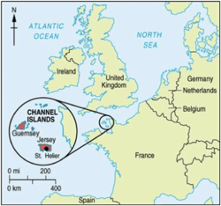
Jersey is tiny island nation (nation?) with massive international business. Why? This blog post examines the difference--or lack thereof--between tax havens and offshore financial centers.
Read More
Occupied, Imprisoned, and Pregnant: What to Expect When You’re Expecting Under Israeli Occupation
By Amal Shukr.
Imagine spending almost the entire duration of your pregnancy in a torturous prison cell, deprived from seeing your toddler, the light of your eyes, for six months. Imaginations need not encounter much exhaustion because that is precisely what Anhar Al-Deek, a 25-year-old Palestinian woman, faced during her brutal detainment under the Israeli Occupier, against international standards of pregnant prisoners’ rights.
Read More
Antitrust Tides Have Turned: South Korea Passes First-of-Its-Kind Law Regulating App Stores
By Carson Jones.
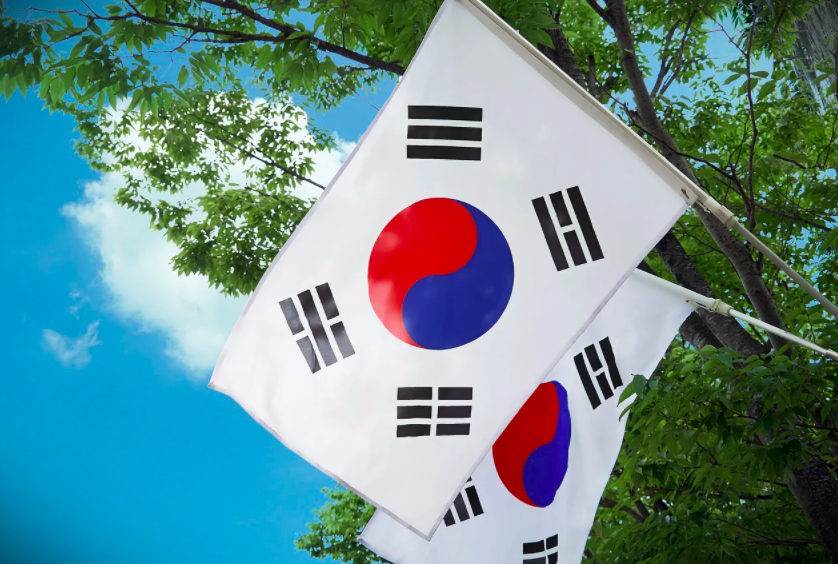
For years Apple and Google have required apps hosted on their app stores to pay a 30% fee for all in-app transactions, which have prompted antitrust concerns from global regulators. However, South Korea has recently become the first country to pass legislation that forces Apple and Google to change how their app stores operate.
Read More
Germany’s Chancellor Election and the Global Market: End of the Merkel Era
By Haley Wadel.
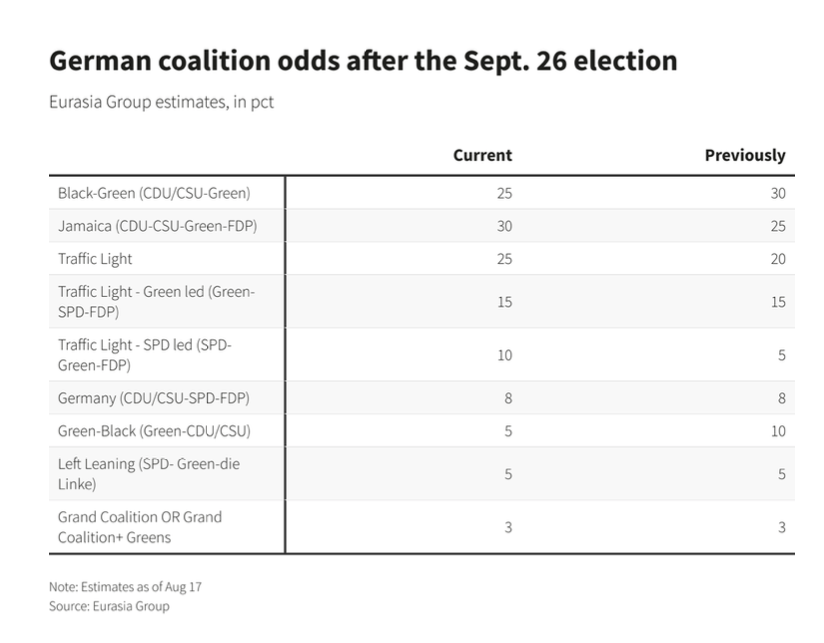
Economists throughout the globe anticipate that Germany may face uncertain economic and social times with Angela Merkel’s 16-year term coming to an end. The upcoming election will showcase if Germany is to retain a fiscal approach, or become much more liberal in its financing.
Read More
A New Model for Regulating Agricultural Non-Point Source Pollution: New Zealand’s Final Push to Restore Deteriorating Freshwater
By Kayla Kolbe.
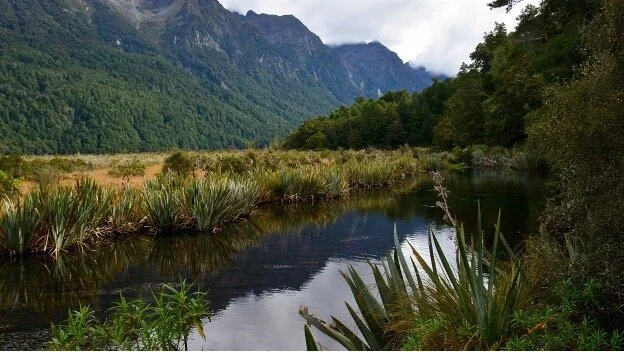
New Zealand recently passed The Action for Healthy Waterways. The new legislation aims to bring cohesiveness to freshwater management and also regulate agricultural practices in order to diminish the impacts of non-point source pollution.
Read More
France Attempts to Systemically Erase Islam in the Name of National Security and Secularism
By Rohaib Latif.
France has passed many laws over the last decade that target religious expression. While these laws are neutrally worded, they have had a significant impact on the French Muslim population and their ability to practice their religion.
Read More
Military Power in Myanmar
By Maggie Belcher.
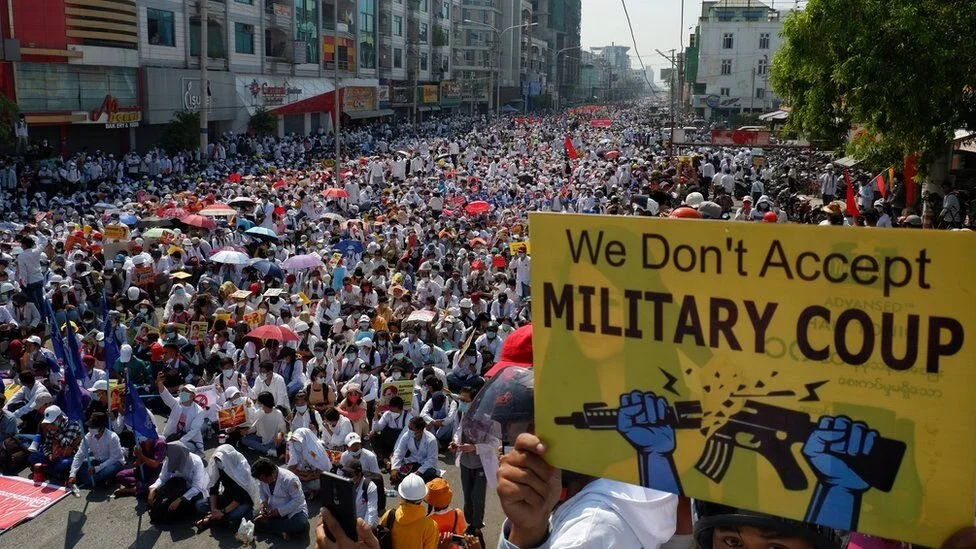
On February 1st, the military regained power over Myanmar. The military in Myanmar is powerful for several reasons, but a big contributing factor was the colonization of Myanmar by Britain.
Read More
Mozambique: In Dire Need of Help
By Jordan Law.
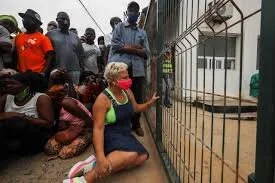
Mozambique is currently facing a major crisis that not many know about. This crisis has been overshadowed by COVID-19 and by the lack of news reporters being allowed in Mozambique at this time. Not a lot is known, but what we do know is that Mozambique needs help now.
Read More
Prison Nurseries in Finland: Balancing the Child’s Best Interests
By Abby Cote.
Since signing the United Nations Convention on the Rights of the Child, signatories have struggled on how to consider a child’s rights when it comes to incarcerating a child’s caregiver. Finland presents an interesting example of how one nation revamped its sentencing structure and prison system to balance the impossible- the protection of a child and family unity within the prison setting.
Read More
On Owning the Seas: Japanese Exclusive Economic Zones and Fisheries Management
By Tyler Armstrong.
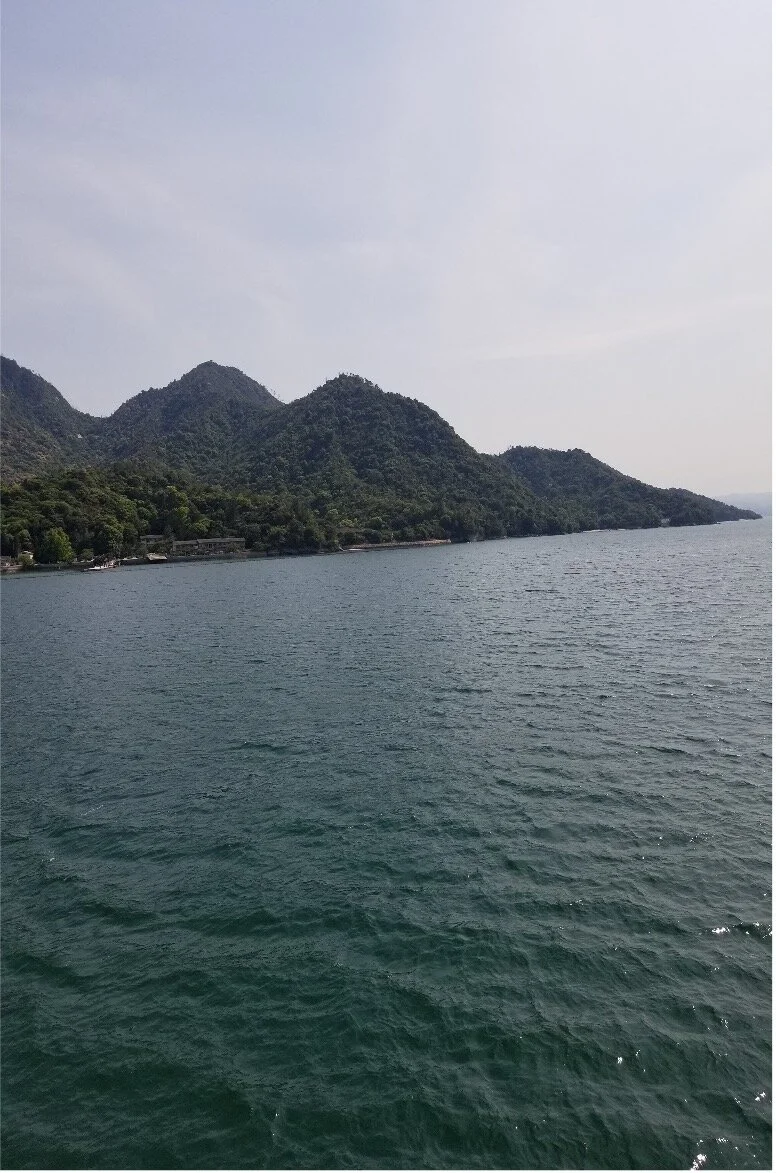
The United Nations Convention on the Law of the Sea allows countries to claim the natural resources within the waters 200 miles from their shores, both accounting for fish and other marine life as well as oil and mineral deposits beneath the sea floor. The island nation of Japan claims several smaller land masses as its own, granting them additional exclusive privilege over larger portions of the Sea of Japan. The Japanese government should take full advantage of this international treaty by subjecting illegal fishing vessels to judicial action and engaging in diplomatic discussions with repeat perpetrators from North Korea and China.
Read More