Lessons from Hungary’s Failed Family Policy: Bigotry Impedes Success. By: Benjamin Kaiser
Hungarian Prime minister Viktor Orban
Picture Credits: European People’s Party
Attempting to increase birth rates,. Hungary has implemented a series generous subsidies for families and incentives for having children. Despite the generosity of these subsidies, Hungary’s birth rates have hit a 10 year low. To avoid Hungary’s mistakes other nations should make sure their policies are inclusive of all families regardless of national origion, sexual orientation, and geneder identity.
Read More
The United Kingdom’s Struggles to Become the Powerhouse of Healthcare By: Rachelle Madison
Balancing Free Speech and Online Safety in 2024 By: Nicholas Singlar
Photo Credit: Hermes Rivera
https://unsplash.com/photos/flag-of-canada-ahHn48-zKWo
Canada’s proposed Online Harms Act introduces strict regulations for online platforms to combat harmful content by imposing safety plans and penalties. However, critics believe the safety plans and penalties could stifle free speech and be used by the government to suppress opposing viewpoints.
Read More
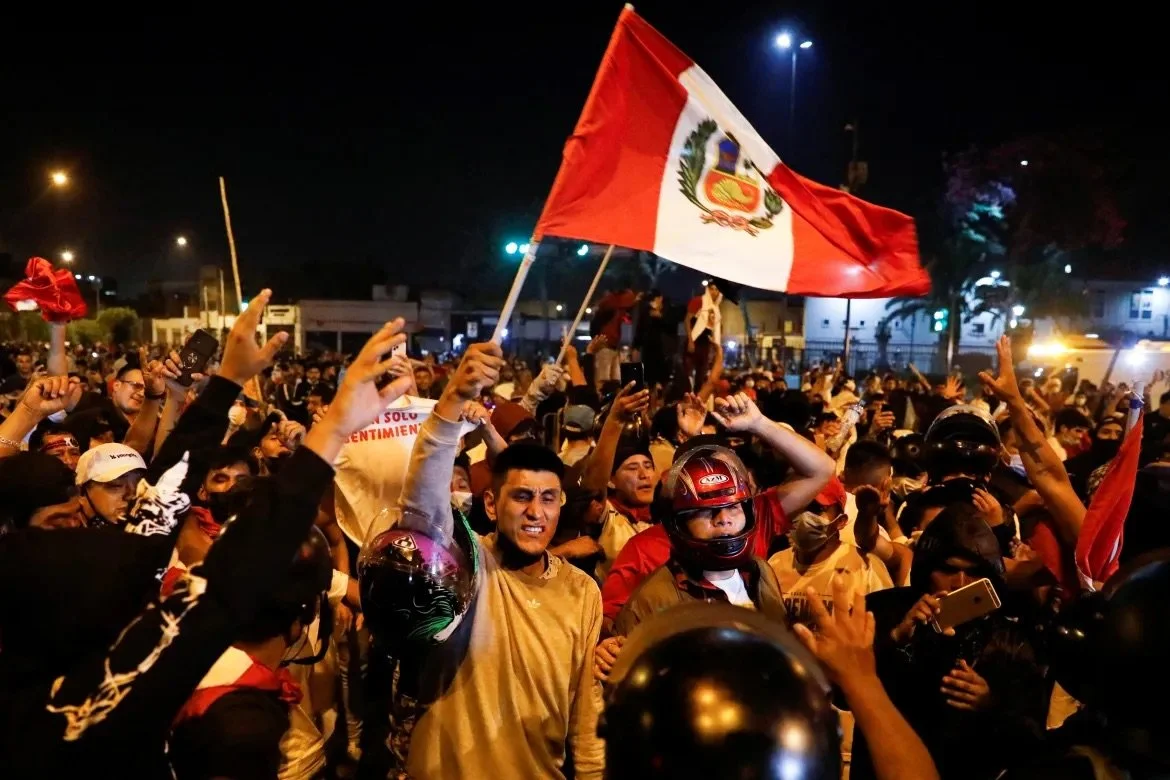
Extrajudicial Killings and the Need for Governmental Reform in Peru By: Edward Mosella
Photo Credit: Alessandro Cinque/Reuters
The article discusses the political turmoil in Peru following President Pedro Castillo's ousting and the subsequent violent crackdown on protests by the Boluarte administration, which resulted in numerous deaths and injuries, particularly among indigenous communities. Human rights organizations are calling for the International Criminal Court to investigate potential crimes against humanity linked to the government's actions, as public trust in Peru's institutions declines amid ongoing political instability and attempts to grant amnesty for past human rights abuses. The situation underscores the need for significant governmental reform to address systemic violence and protect human rights in Peru.
Read More
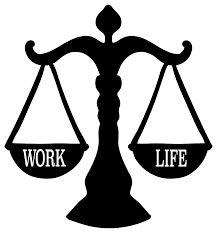
The Right to Not Work: Australia’s Implementation of the Right to Disconnect Law By: Alyssa Lawton
Australians recently gained the right to limit the amount of work they do outside of their scheduled work hours. This law is supported by most but has alos been met with opposition.
Read More
Protecting the Big Five By: Jessica Boeve
With the lack of significant legislation within South Africa, opinions are split on the best way to move forward to protect the Big 5. Some argue big hunting is a sustainable and necessary practice to fund anti-poaching and conservation while others believe it should be banned. The South African government has recently rolled back significant protections and moratoriums surrounding the Big 5 and seem to make decisions based largely around social pressures, both globally and nationally.
Read More
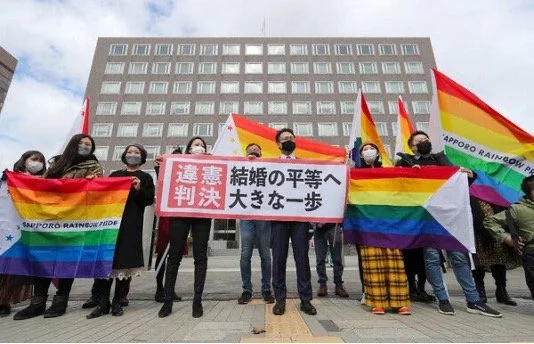
Japan’s First High Court Says “I do!” to Same-Sex Marriage Despite Government Hesitation By: Catherine Shuler
A Japanese High Court ruled that the country’s ban on same-sex marriage unconstitutional, marking a major victory for LGBTQ+ rights in Japan. This decision puts pressure on the Japanese government to finally legalize same-sex marriage, despite the Prime Minister’s cautious stance on the issue. With growing public support and legal momentum, Japan may soon become the last G7 nation to recognize same-sex unions.
Read More
Código y Consciencias: Women in the Development of Ethical AI in Mexico
This paper will highlight these women as they lead algorithmic justice efforts in Mexico. By focusing on the work of Senator Alejandra Lagunes and Dr. Constanza Gomez-Mont, this article explores the power of technology when used for the common good.
Read More
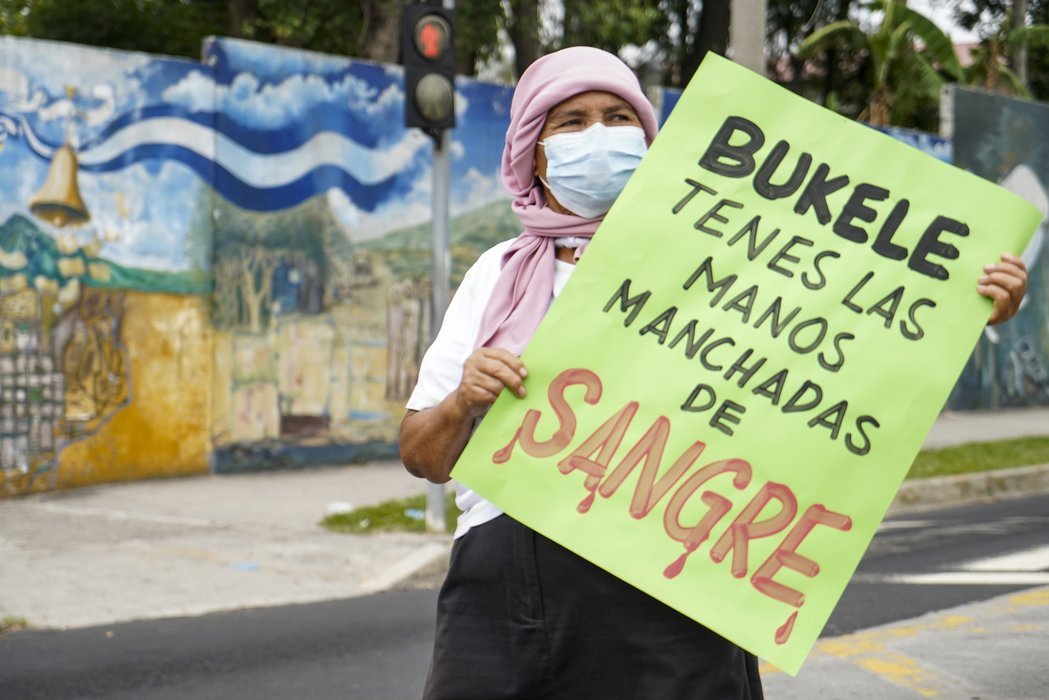
The Price of Peace: The Looming Human Rights Concerns Under El Salvador’s “War on Gangs” By: Mackenzie Bailey
A Salvadorian woman holds a sign, saying “Bukele you have blood on your hands.
Read More
The Current Cambodian Legal System’s Connection to the Khmer Rouge
By Caleb Siebeneck.
Cambodia’s current de facto one-party state, marked by illegitimate elections, nepotism, and legal sanctions against dissent and opposition, is strongly tied to Cambodia’s corrupt and underdeveloped legal and judicial systems, which are direct results of the Khmer Rouge’s genocide in the late 1970s.
Read More
Cuba’s Largest Export Is a Human Rights Disaster
By Julia Alexander.
Cuba has had a medical mission program in place for over sixty years through which it sends its doctors abroad to countries in need. However, the conditions under which doctors are signed onto these missions and their treatment abroad are akin to state-sanctioned human trafficking.
Read More
Nigerian Scammers: How They Do It and What’s Stopping Them
By Claire Montgomery.
Nigeria is one of the worst countries when it comes to internet scamming. Specifically, the 419 fraud cases. This articles looks to the different ways these scams happen and the 419 law they are named after.
Read More
Switzerland's Armed Neutrality Failure
By Madalin Sholtz.
Switzerland’s neutrality proclamation has been romanticized by the world, but its reality is much less romantic. Swiss neutrality does not mean that the country is removed from all worldly problems. In fact, Switzerland has acted contrary to their neutrality declaration many times throughout its history, even with high support for the maintenance of that political system by the public.
Read More
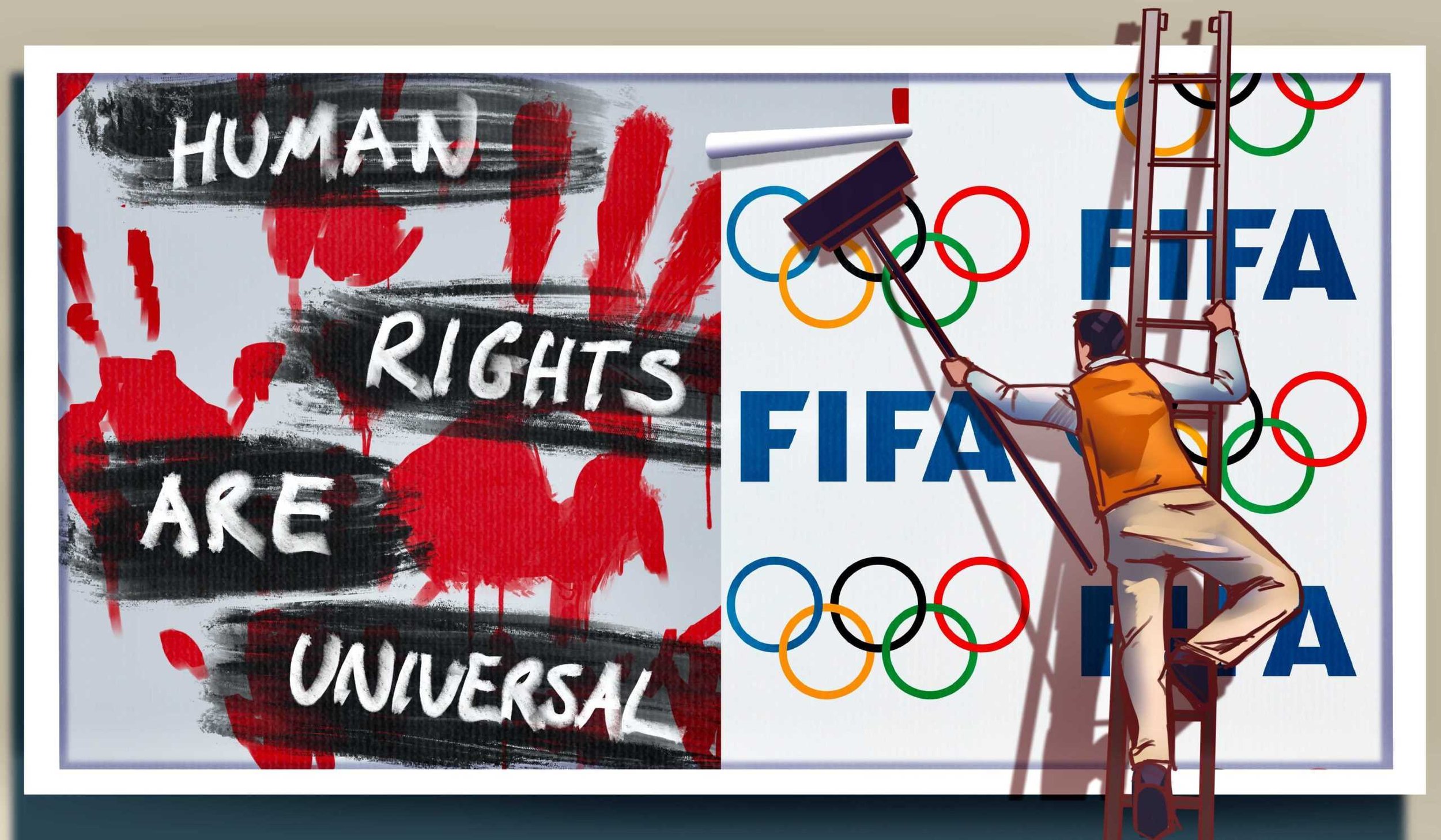
Sports and the All-Mighty Dollar: Saudi Arabia and the New Age of Sports Washing
By William T. McAndrews III.
Sports washing has existed since the early twentieth century, with one of the most famous examples being the 1936 Berlin Olympic games. In the modern era, its taken on a new face with multiple nations, including Saudi Arabia, launching massive investments into the world of sports. These mass investments hide numerous human rights violations, but are these complaints valid concerns or are they blowback from the West against newly developing nations?
Read More
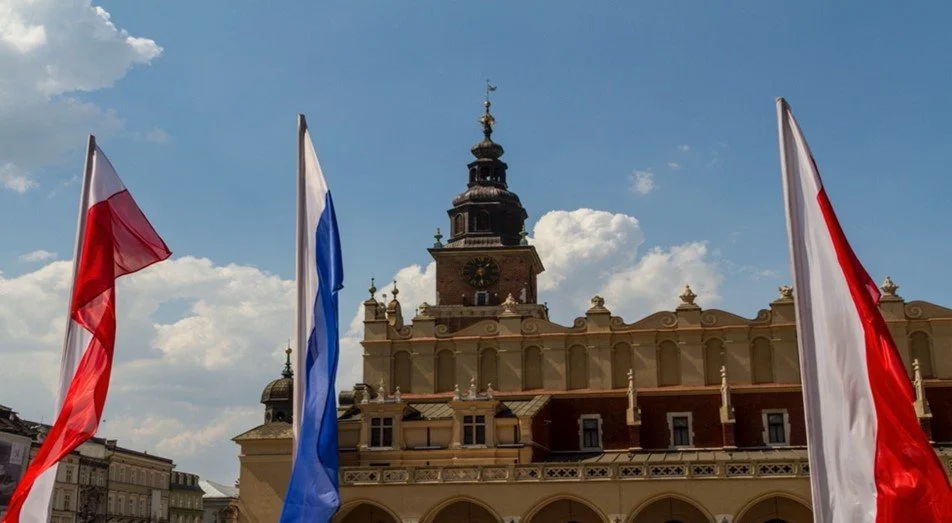
Life After Law and Justice: The Future of Polish Abortion Law
By Caitlin Urisko.
The Law and Justice Party, known by its Polish acronym “PiS,” lost the parliamentary election in October 2023.This loss is largely attributed to an incredible turn out of youth voters. The new government promises to address issues such as abortion rights, LGBTQ+ rights, and immigrant rights.
Read More
Costa Rica Fails to Deliver Indigenous Lands
By Wesley Levise.
The Costa Rican government's inaction in enforcing a 1977 law that established exclusive territories for indigenous communities has led to violence, forced evictions, and the murder of two indigenous leaders within a year. The lack of a clear mechanism for determining indigenous identity and compensating non-indigenous landowners has further complicated the land rights crisis, with individuals claiming or denying indigenous heritage for financial gain. Indigenous activist Lesner Figueroa argues that the government's compliance with the 1977 Law would prevent violence, as land reclamation attempts are seen as both activism and extremism.
Read More
France’s Immigration Crackdown Starts to Crumble
By Kaitlyn Harries.
In December, France’s Parliament passed a restrictive immigration bill further limiting access to social welfare programs to asylum seekers. The bill was seen as a political bargaining chip between Macron and the far-right National Rally Party, but France’s Constitutional Council pulled back a third of the originally passed provisions.
Read More
Denmark Turns its Back on Commitment to Free Speech with New Law Banning the Desecration of Holy Texts
By Thomas Carr.
Denmark recently passed a law banning the desecration of holy texts in response to widespread protests featuring the burning of the Quran. The law violates Denmark’s tradition of free speech as well as several of Denmark’s obligations under international law.
Read More
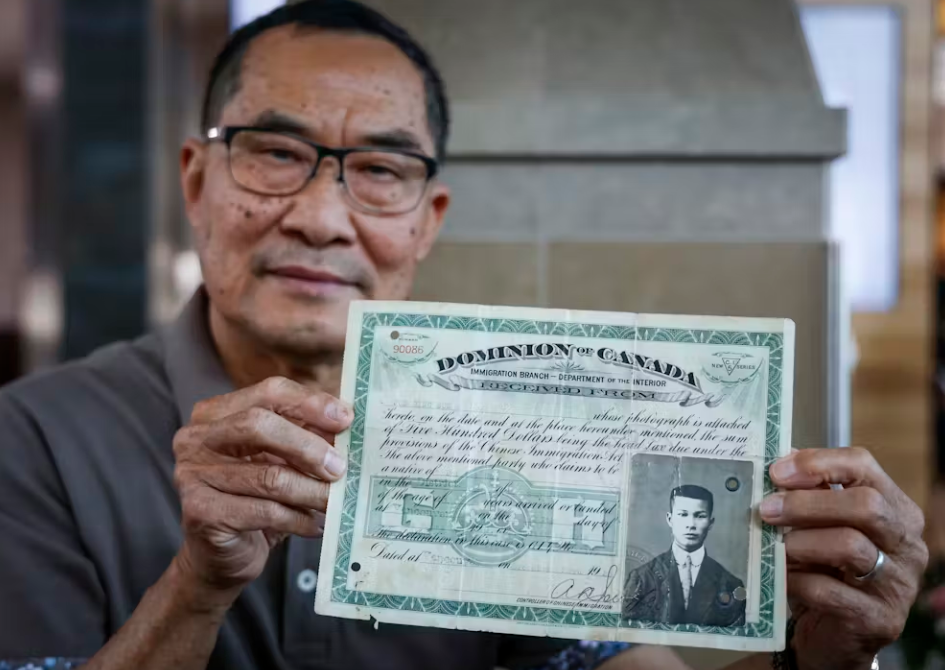
The Journey to a Cultural Mosaic: Discriminatory History of Chinese People in Canadian Immigration Law
By Noelle Andrego.
Canada is praised for its immigration policies today, but it has an extensive history of discrimination. Chinese people faced demands from white Canadian politicians and residents urging their exclusion, subsequently enacted exclusion laws, and humiliating policies requiring registration cards. Despite these challenges, Chinese people resiliently settled in Canada and are an integral part of Canada’s cultural mosaic today.
Read More