
Cyber Attacks – Not a Legal Void

By: Hyun Muniz

Developed nations are increasingly growing more reliant on computer systems, which increase opportunities for adversaries to turn to cyberspace to strike inexpensively, remotely, and effectively with little risk. How can nations respond to these attacks without violating international law of armed conflict? Are such attacks even covered by the existing legal framework? 

Read More
MSU ILRHyun Muniz, msu, ilr, msuilr, War
Protecting Your Chocolate Chip Cookie Recipe: Trade Secret Protection Law

By: Janice Pan

Trade secret law protects everything from chocolate chip cookie recipes to transnational commercial methods. International agreements, however, leave protection of trade secrets to domestic enforcement. In addition to this international inconsistency, US trade secret law differs from the other forms of intellectual property in that it is governed by each individual state through the common law. To provide more certainty to businesses, a standardized trademark law should be passed in the United State. 

Read More
Climate Primer

By: Ryan Brenner

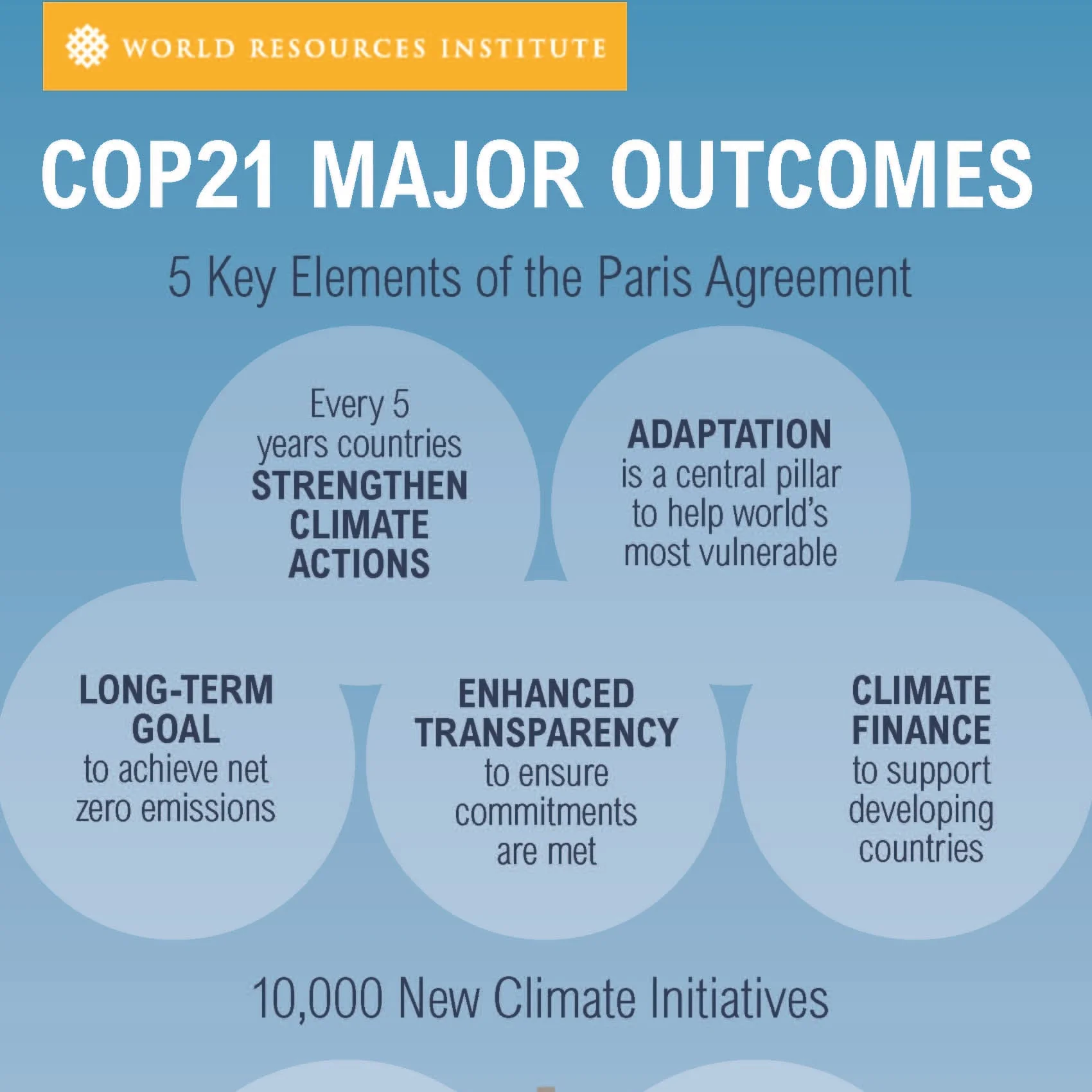
Better late than never, here is a look at the new climate deal which was negotiated in Paris at the end of 2015. Read more to find out what this agreement entails, how the agreement fits with the UNFCCC and Kyoto Protocol, and how the negotiations were organized.  

Read More
MSU ILRRyan Brenner, MSU, ILR, MSUILR, Climate, UN
Transforming the United Nations for Gender Equality

By: Brent Lockwood  

As a central international governing body, the United Nations’ leadership is necessary to successfully combat global gender inequality and violence against women. Despite continued efforts to protect the rights of women and promote equality, women continue to face economic, social, and political inequality as well as high rates of physical and sexual violence. Changes need to be made.

Read More
Objection!: Utilizing Hearsay Exceptions in Domestic Violence Cases

By: Kyla Barranco

Despite its wide prevalence, sexual violence is one of the most unreported crimes in the world. Faced with uncooperative victims reluctant to seek justice through the courts, prosecutors often struggle to bring perpetrators of sexual violence to justice.  Even with countries strengthening their laws criminalizing sexual violence, an inability to overcome evidentiary hurdles will leave these changes meaningless. Countries should follow the example of prosecutors in the United States who find unique ways to work within the general system to prosecute under the unique circumstances surrounding sexual violence. 

Read More
U.S. Corporate Income Abroad: The Cost of Cash Coming Home

By: Jason Farrelly

The United States is the only globally developed nation to tax income earned abroad. However, tax liability is only assessed when a company repatriates the income back to the United States. This creates the incentive to keep capital abroad rather than bring it back to the US to invest here. This note examines the plans proposed by the current presidential candidate front runners to address this issue. 

Read More
Everything is Digital and There is no Stopping it: How Discovery is Keeping up Around the World

By: Janice Pan

The United States produces about 1.8 zettabytes of data each year. To adapt to this increasing use of technology, the court system in the United States is modifying its discovery process to allow greater access to electronically stored information. Other countries, however, seem to be less adaptive and are instead taking increasing measures to protect data and privacy.

Read More
MSU ILRILR, MSU, MSUILR, Comparative, Janice Pan