Taiwan’s Highest Court Deepens Democratic Principles through Judge-Made Rights
By Michael Reingold.
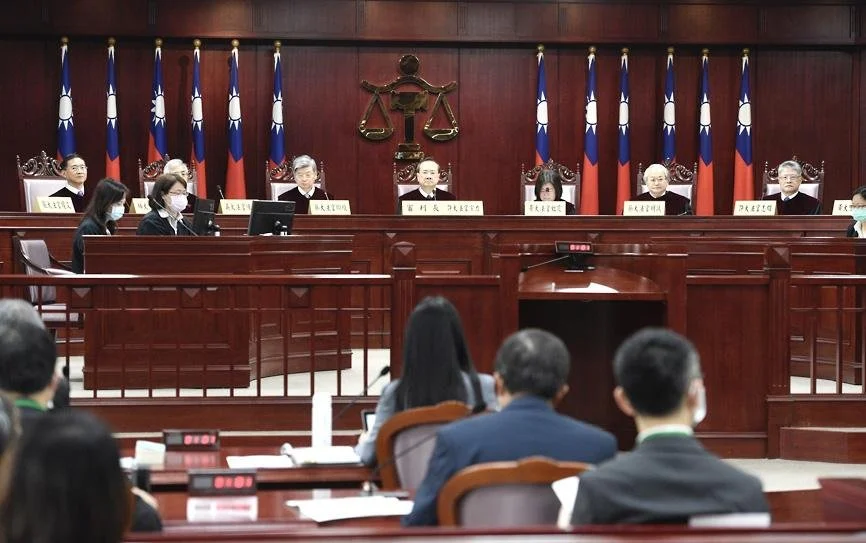
Taiwan’s constitutional reforms and democratization show how Taiwan was able to legalize same-sex marriage and cement other fundamental rights into its democratic foundations. Much of Taiwan’s development of fundamental rights and freedoms have been through so-called “judge-made rights,” marking a change and diversion away from maintaining a “brief list of rights and freedoms explicitly mentioned in the Constitution.”
Read More
Capital E: How Estonia’s Cyber Security Strategy Went Beyond Regulations During its Rise to Leadership in E-Governance
By Albert Chang.
Estonia’s approach to cybersecurity is a combination of European Union regulations, Estonia’s interpretations of EU law, and collaborative efforts between Estonia and the private sector to minimize the risk in digitization. As a member of the EU, Estonia is subject to the EU’s data protection law under the General Data Protection Regulation (GDPR). The GDPR is commonly held as “the toughest privacy and security law in the world.”
Read More
A Call to Repeal Iraq’s Rape-Marriage Law
By Madeline Jones.
Iraq’s rape-marriage law permits a rapist to evade punishment if his victim consents to marriage. Women are pressured to marry their rapists to preserve their reputation and family honor. Repeal of Iraq’s rape-marriage law is essential to promoting gender equality and to provide protection and justice to victims.
Read More
The Gambia v. Myanmar: Changing the Landscape of International Prosecution for Genocide
By Anna Henson.
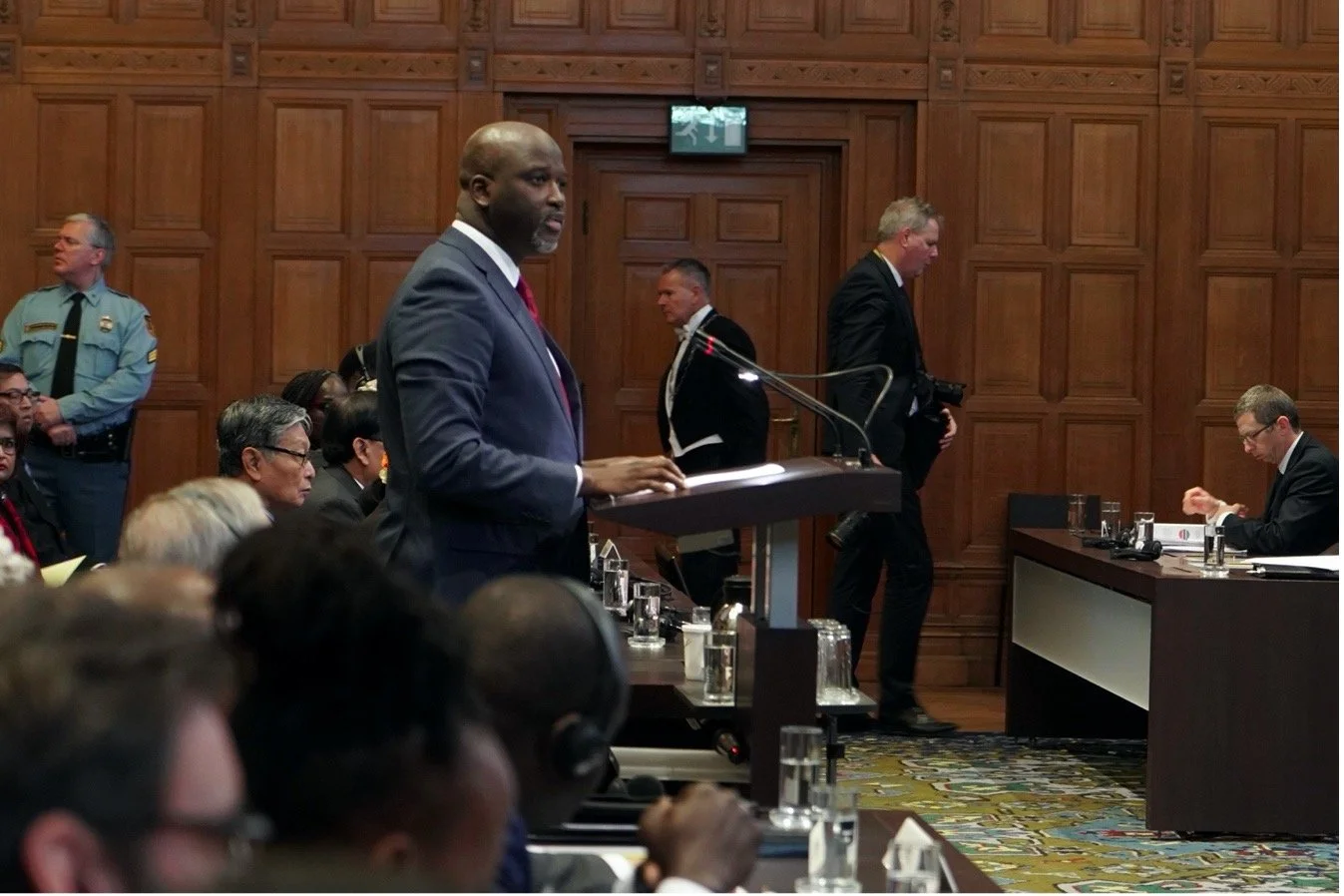
During preliminary proceedings, the International Court of Justice (ICJ) held that The Gambia has standing to bring suit against Myanmar for actions taken against the UN Convention on the Prevention and Punishment of the Crime of Genocide. This is the first ICJ case where a country, located on a different continent and lacking immediate personal injury, has been able to sue another country on the basis of both countries being a party to a UN convention.
Read More
Venezuelan Refugees: A Call for Help from the International Community
By Jennifer Churay.
Countries should provide this assistance to Venezuelans for two reasons: (1) humanitarian and (2) political. Humanitarian assistance is needed because, without a global response, conditions for Venezuelan refugees will worsen as regional host countries become increasingly unable or unwilling to provide aid. Conditions in Venezuela are so severe that human rights violations may ensue because access to life-sustaining resources and immigration protections guaranteed by international human rights agreements are not being delivered.
Read More
Say Her Name: Kurdish Erasure in Iran’s Protests
By Ilina Krishen.
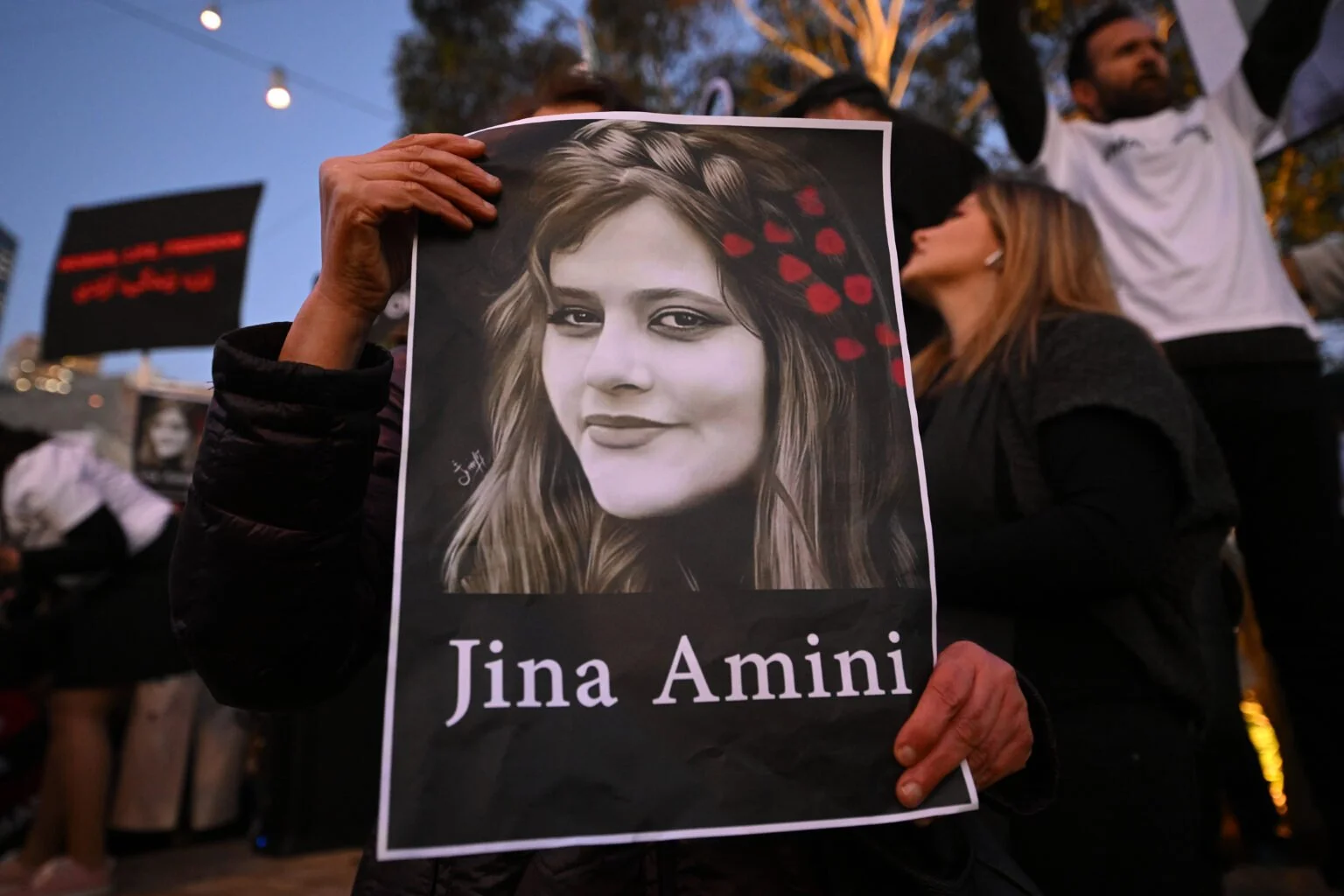
Narratives around Jina “Mahsa” Amini’s death and the ensuing mass protests erase the crucial fact that Amini was a Kurdish woman. The examination of Amini’s death, policing of women’s bodies, and women’s freedom in Iran must place much needed attention towards Iran's long-oppressed Kurdish minority. More importantly, Jina Amini’s name and Kurdish identity should not be erased.
Read More
Blood Cobalt: How Congolese Children Power Your Smartphone
By Haley Wehner.
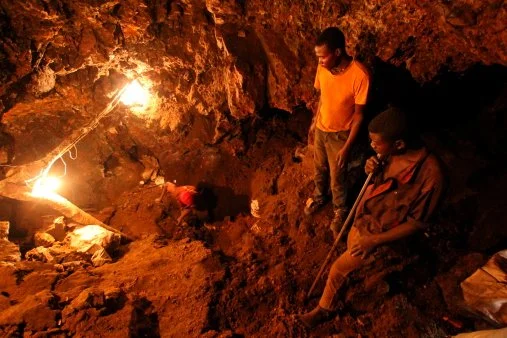
The world’s largest known source of cobalt, a crucial metal in the lithium-ion batteries that power everything from smartphones to electric vehicles, is hidden beneath the Democratic Republic of Congo’s (DRC) fertile red soil. Without cobalt, people around the world would not be able to send emails, check social media, operate an electric car, or fly home for the holidays. Approximately seventy percent of the cobalt consumed worldwide is produced in the DRC, outpacing its two nearest rivals, Australia and Russia. Overall, it is believed that the DRC contains undeveloped mineral resources worth $24 trillion.
Read More
Examining the Short and Long-Term Effects of Western Sanctions on Russia
By Brittany Macaddino.
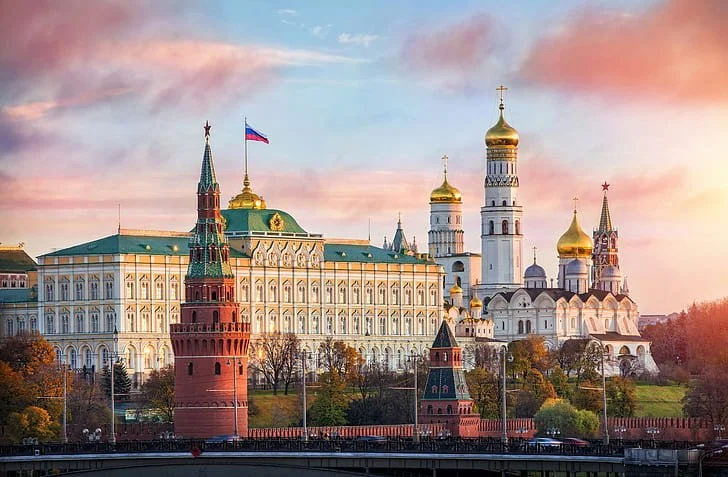
On February 4, 2022, comprehensive sanctions were placed on an international superpower for the first time since the end of the World War II. The United States, European Union, and others coordinated their efforts against Russia to stifle their economic abilities and hinder their invasion of Ukraine. Nearly a year later, sanctions against Russia are expected to tighten in 2023. But are the sanctions imposed against Russia working the way major powers intended, and is it sustainable for the world economy to continue imposing them?
Read More
Pope Francis’ Visit to Canada Highlights Legal Significance of the Discovery Doctrine
By Kaitlin Lapka.
In June 2022, Pope Francis visited Canada in an attempt to repair the Catholic Church’s historical relationship with Indigenous Peoples in Canada. Calling his tour a “penitential pilgrimage,” the Pope “humbly beg[ged] for forgiveness” for the Church’s past actions but refused to take one final step Canada’s Indigenous communities demanded: Renounce the Discovery Doctrine.
Read More
A White Paper Revolution
By Taylor Schanz.
At the end of 2022, thousands of protestors took to the streets across eighteen different cities in China. Instead of protest signs, individuals were holding blank white A4 paper, calling for the Chinese government to end its zero-COVID policy. While protests are not an uncommon occurrence in China, this was the first time since the failed pro-democracy movement in 1989 that a protest has reached this magnitude and earned the name “white paper revolution.”
Read More
Brazil’s Failed Coup and the Fate of Democracy
By Markus Richard.
Protests persisted even after Lula’s inauguration, culminating in an assault on government buildings that host Brazil’s executive, legislative, and judicial branches of government. The protestors heeded calls across pro-Bolsonaro social media channels to head to the capital and “surround Brasilia,” presumably in an attempt to overwhelm the government and overthrow it.
Read More
To Strike or Not to Strike: Workers in the United Kingdom Must Decide
By Ashton Holland.
Officials in the United Kingdom have introduced legislation to maintain minimum service levels for health, education, fire and rescue, transportation, border security, and decommissioning of nuclear installations. This legislation forces employers to maintain a certain level of working employees during strikes to prevent severe disruption to the general public.
Read More
Legalizing Same-Sex Marriage in South Korea
By Michael Reingold.
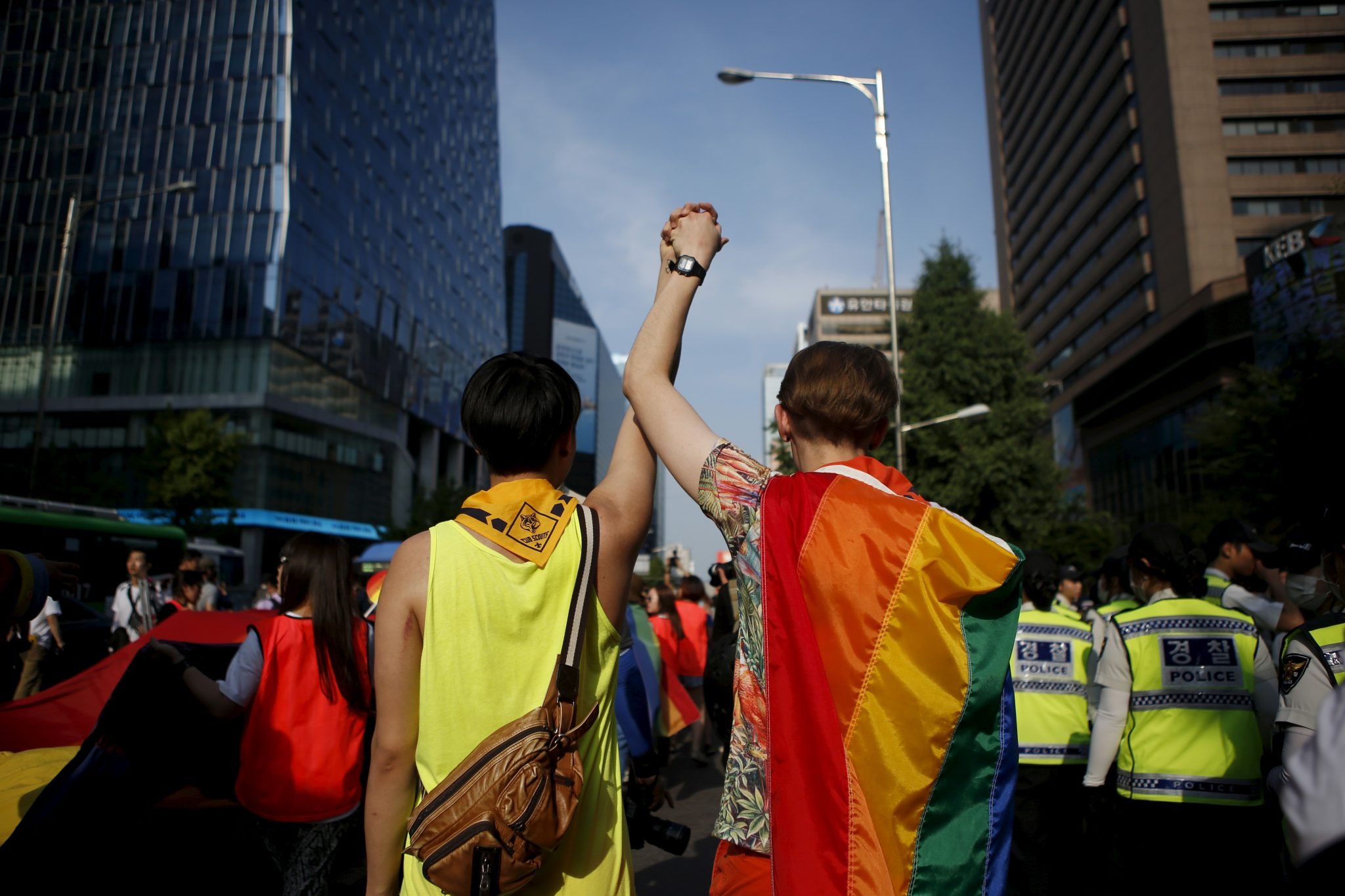
South Korea has yet to legalize same-sex marriage, and the future of same-sex marriage for LGBTQ South Koreans is bleak. Many articles of the South Korean Constitution, however, pave a way for reform and enable South Korea to legalize same-sex marriage in the future — even as South Korean courts continually and arbitrarily refuse to uphold and legalize same-sex marriages.
Read More
How Poland’s Extreme Abortion Ban Harms Pregnant People and Their Babies
By Markus Richard.
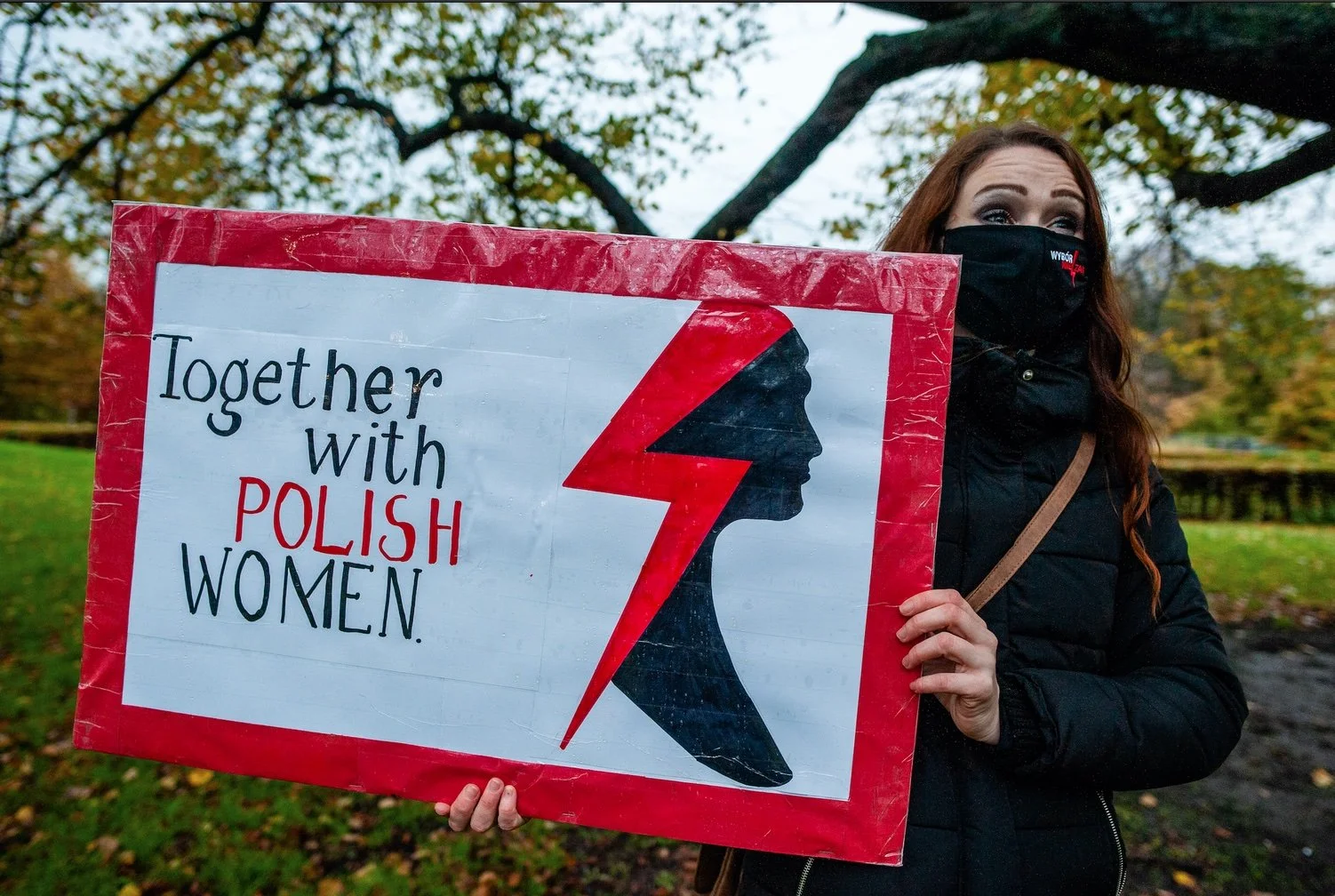
In Poland, the Constitutional Court ruled in October 2020 that abortions for egregious cases of fetal abnormalities were unconstitutional. In a deeply Catholic and conservative country where all but twenty-six out of 1,100 abortions in 2020 were in cases of abnormalities, this amounted to a complete ban.
Read More
Ireland’s Whistleblower Protection Reformation: An Example to Follow
By Dylan Vogel.
The Irish government broadened the pathways available to whistleblowers reporting wrongdoing in both private and public institutions. This legislation will cause actual reform across hundreds of Irish companies. This represents an important step for strengthening institutional trust and improvement.
Read More
Prison Conditions and Misconduct in Portugal
By Noah Thelen.
Despite Portugal having a remarkably low prison population — currently 118 per 100,000 individuals — the country is still plagued with police misconduct and issues over the treatment of prisoners. All of Europe is under strict review of policies from the European Committee for the Prevention of Torture and Inhumane or Degrading Treatment or Punishment (“CPT”).
Read More
The Right to Die: Belgium’s Liberal Euthanasia Law
By Frankie Salamida.
Belgium legalized voluntary euthanasia in 2002 and currently has the most liberal euthanasia laws compared to any other country in the world. Some have wondered if these laws have gone too far, but physicians in Belgium believe they have not. With the number of safeguards in place and conditions that must be met, physicians assure that people who die via euthanasia are making an informed choice themselves. Thus, Belgium’s legalization gives these patients a right to die.
Read More
Financial Hardships Pressure Changes in Budapest
By Brittany Macaddino.
Hungary is one of the only countries who the EU is withholding pandemic relief funds from, citing concerns over rule of law issues within Hungary’s government. Now, Prime Minister Orban is being forced to strike a deal with the EU commission in order to secure these funds to prevent a recession.
Read More
The Future of Work: The Importance of the Netherlands’ New “Right to Work From Home” Legislation
By Kaitlin Lapka.
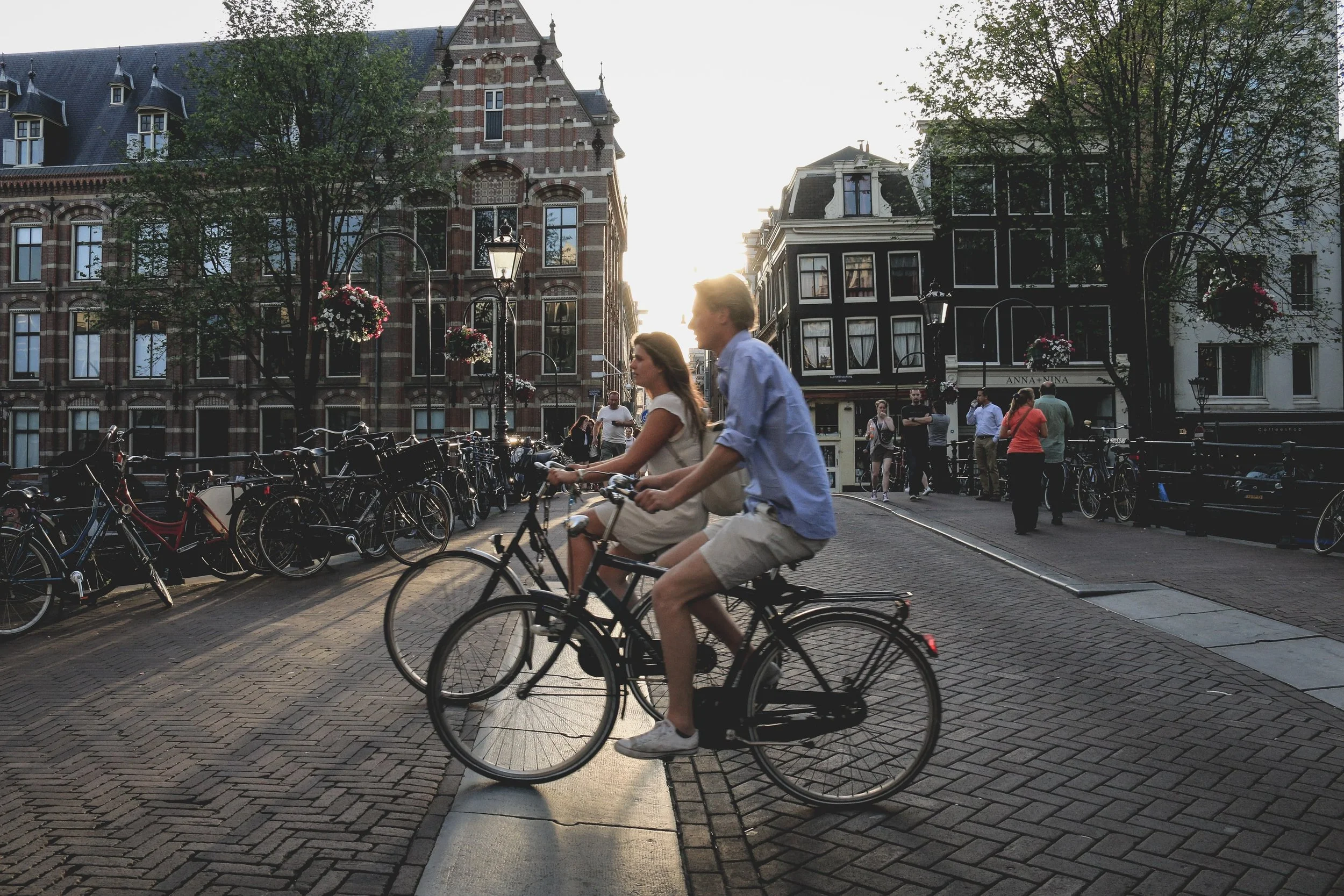
The Netherlands is on track to becoming the first country in the world to make remote work, a legal right. Other countries interested in the future of employment law may want to follow suit. This past July, the lower house of the Dutch’s bicameral parliament, Tweede Kamer, passed an amendment to the nation’s Flexible Working Act 2015 that is now awaiting final approval from the upper house, Eerste Kamer.
Read More
Honduras’s Ban on Abortion: How Honduras Fails to Comply with the International Human Right to Reproductive Choice and Autonomy
By Madeline Jones.
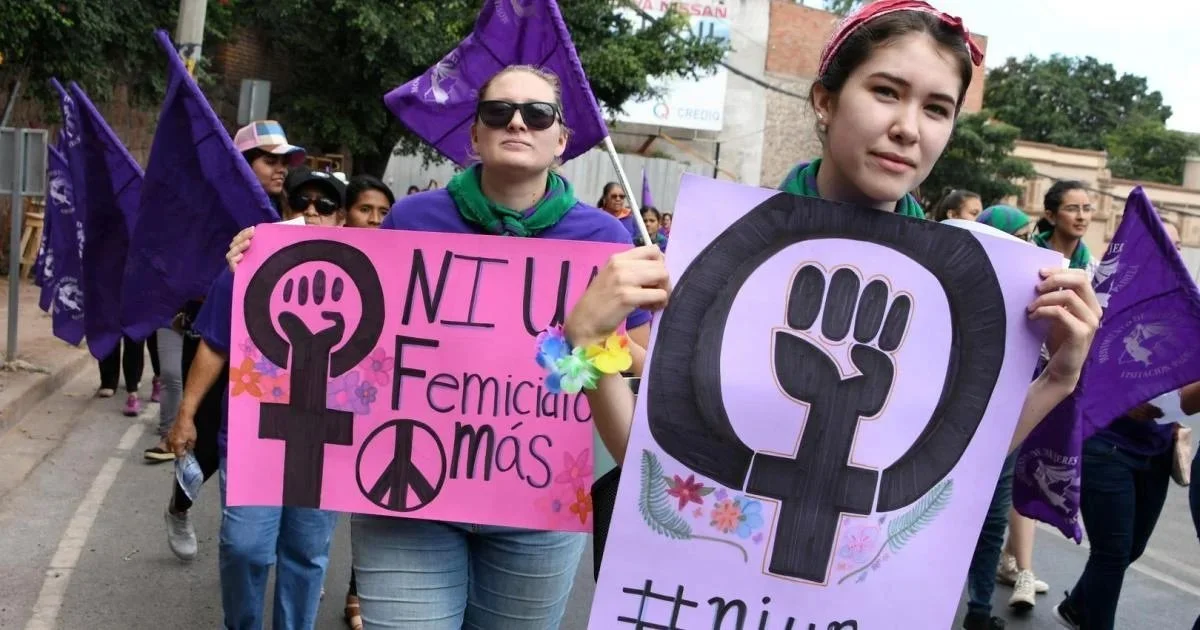
The right to reproductive choice has been formally recognized in international human rights treaties and jurisprudence since 1968. Honduras has prohibited emergency contraception and abortion in all instances since 1982 and recently ratified the Honduran Constitution in January 2022 to explicitly ban abortion within the text of the Constitution. Honduras’s ban on abortion and emergency contraception goes against the principles of international human rights law and furthers discrimination against women.
Read More